10 Best Day Trips from Oaxaca City (With And Without A Tour)
Oaxaca City is one of those places where you don’t actually need to go far to have incredible experiences – but if you do venture out, the rewards are worth it.
Within a couple of hours, you can visit ancient ruins, petrified waterfalls, traditional weaving villages, and mezcal distilleries that still use centuries-old methods.
Some of these day trips are easy to do independently. Others are much simpler with a tour.
👉 5 Days in Oaxaca City: A Practical Itinerary for First-Time Visitors
Should You Take a Tour or Go Independently?
Before getting into it, it helps to know this – some day trips from Oaxaca City are straightforward, while others take a bit more effort to reach.
Go independently if:
- The place is close (Monte Albán, Tule, San Bartolo)
- Transport is straightforward
- You prefer flexibility
Take a tour if:
- Transport is complicated (Hierve el Agua, mezcal distilleries)
- You want multiple stops in one day
- You don’t want to deal with logistics
You can also hire a Private Driver for the day who can take you to multiple places at your own pace.
👉 50 Best Things To Do In Oaxaca City
1. Monte Albán
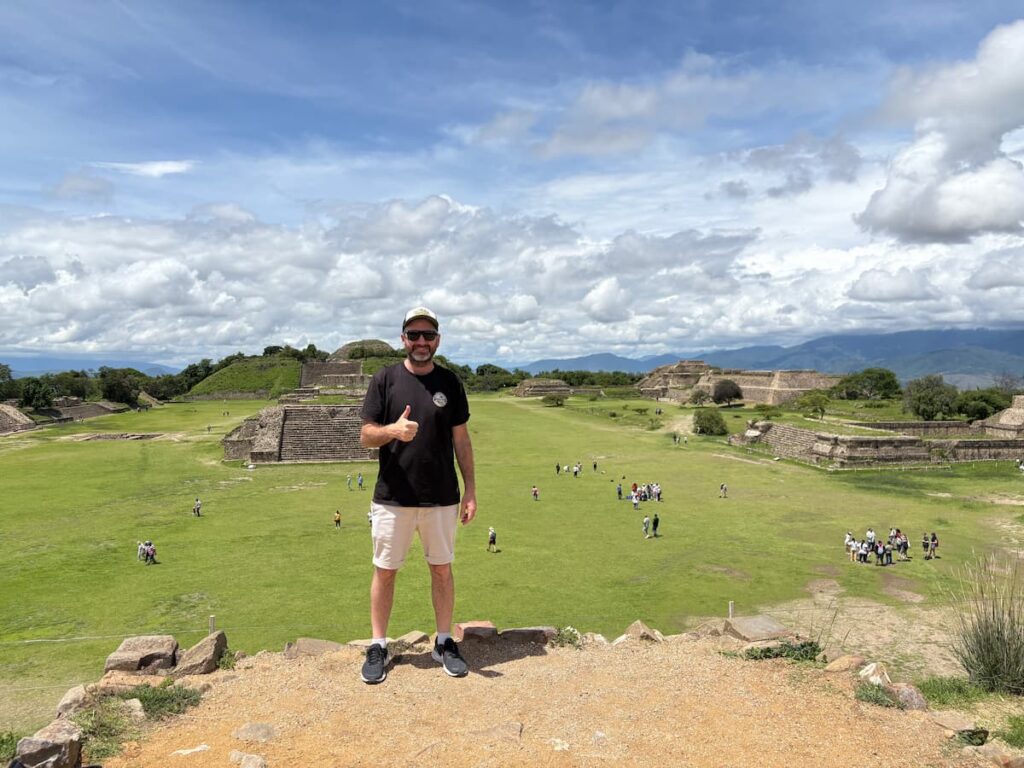
The most famous day trip from Oaxaca City – and for good reason.
Monte Albán is an ancient Zapotec city built on a flattened mountaintop, with sweeping views over the surrounding valleys. It’s one of the most important archaeological sites in Mexico.
You don’t need a guide to enjoy it, but having one adds context to what you’re seeing.
How to get there:
- Taxi: ~20 minutes – $300 pesos (US$17)
- Bus: From near Hotel Rivera in Centro – $120 pesos return (US$7) leaving every hour.
- Tour: Often combined with other stops
Best for: History, easy half-day trip
Do you need a tour? No, you can quite easily get to Monte Alban without a tour. Although on a tour, you’ll get hotel pick up and a guide for not much more in price.
⭐️ Monte Alban Guided Half Day Tour or with Artisanal villages included Essence Zapoteca Monte Albán, Barro Negro and Alebrijes for a day.
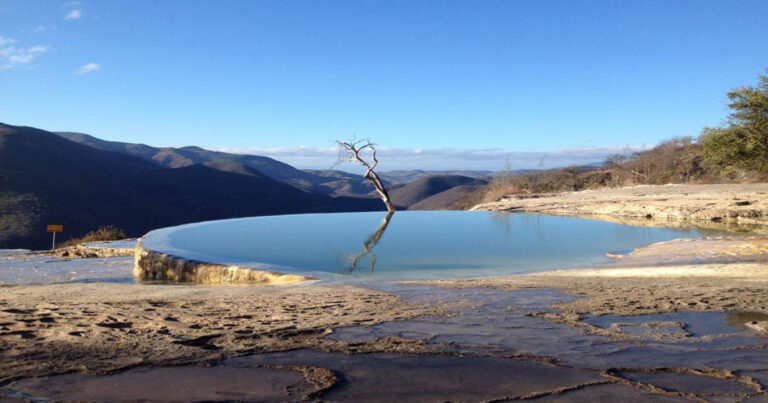
2. Hierve el Agua
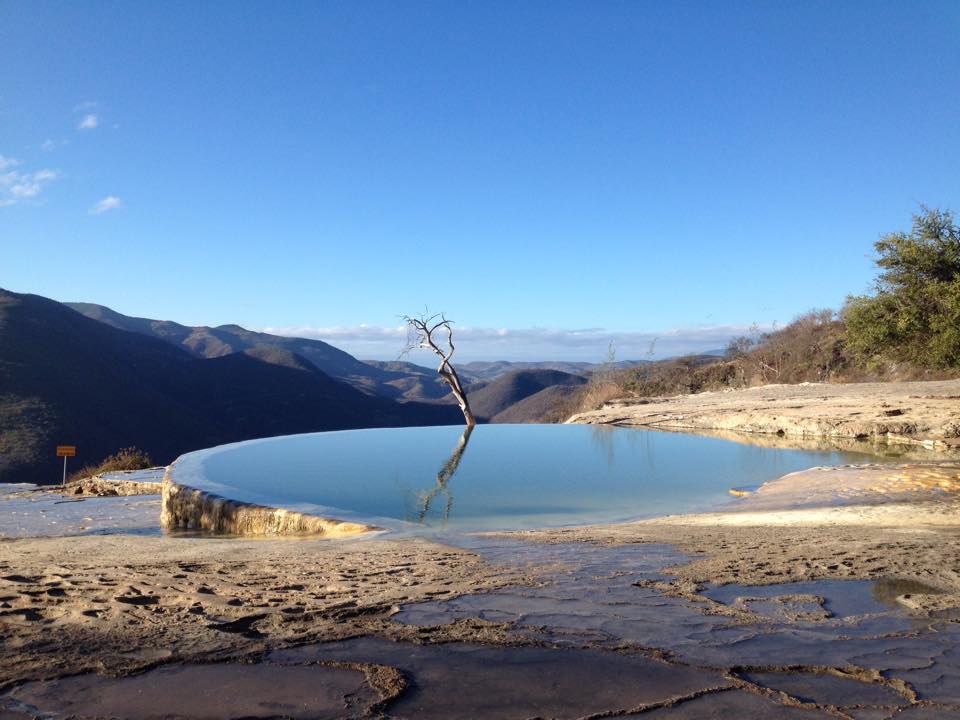
One of the most unique natural sights in Mexico.
Hierve el Agua looks like a waterfall frozen in time, formed by mineral deposits over thousands of years. At the top, there are natural infinity pools overlooking the valley.
It’s stunning—but getting there is the tricky part.
How to get there:
- Car rental: Best independent option
- Colectivos: Possible but slow and involves multiple changes
- Tour: Easiest and most common option
Best for: Scenery, photos, swimming
Do you need a tour? Recommended as you need a couple different forms of transport and will be time consuming.
⭐️ Explore Hierve el Agua, Mitla, Tule, Textile and Mezcal for a day
3. Teotitlán del Valle
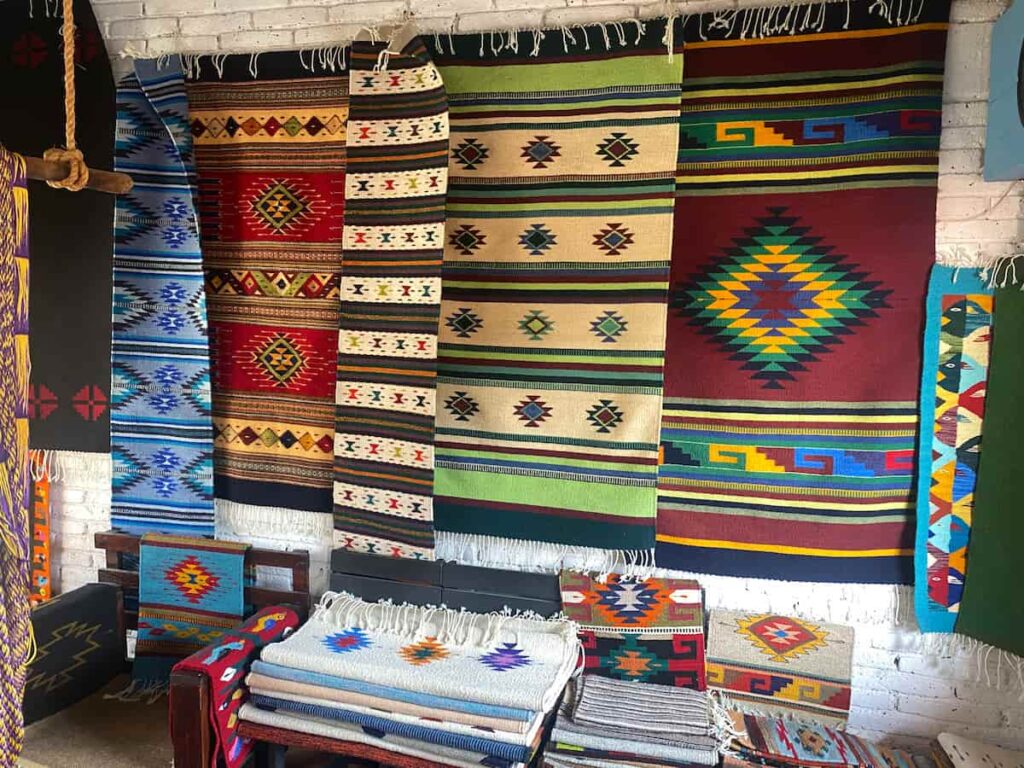
Teotitlán del Valle is a small village known for its handmade wool rugs and traditional Zapotec weaving techniques.
Visiting a family workshop gives you insight into how natural dyes are made (think insects, plants, and minerals) and how each rug is woven by hand.
How to get there:
- Colectivo: From the Periferico or in front of Volkswagen dealership near baseball stadium
- Taxi: ~30 minutes
- Tour: Often paired with other stops like Mitla and Hierve El Agua
Best for: Culture, crafts
Do you need a tour? No. It’s easy enough to get there by taxi or colectivo. Then you can take your time wandering around the town. If you wanted a quick stop in Teotitlan on a Hierve El Agua tour, this tour does that – Explore Hierve el Agua, Mitla, Tule, Textile and Mezcal for a day
4. Mitla
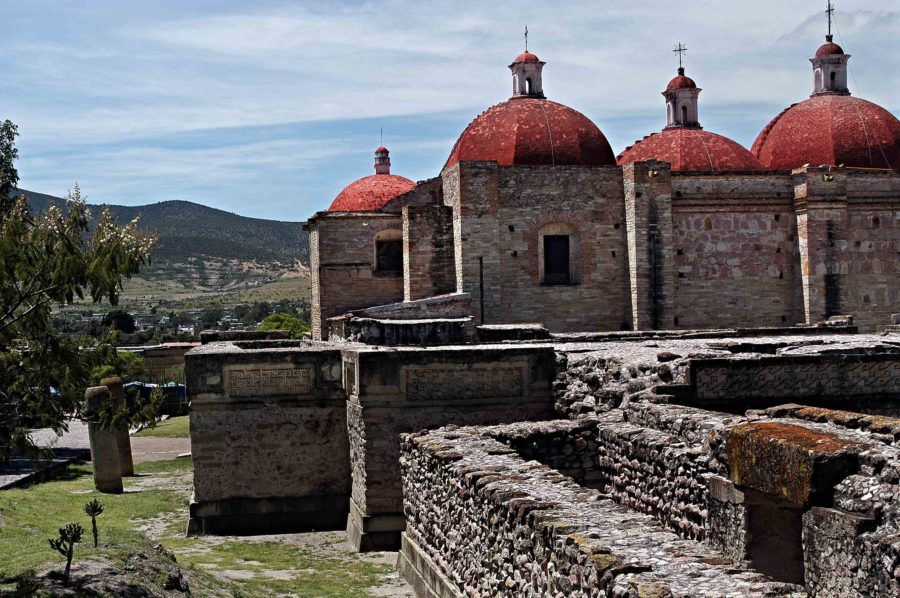
Often overshadowed by Monte Albán, but very different.
Mitla is known for its intricate geometric stonework—considered some of the most detailed and unique in all of Mesoamerica, not just Mexico.
It’s a smaller site, making it easy to explore in under an hour.
The town itself is also worth a look, with small markets, local eateries, and a more laid-back feel that gives you a glimpse of everyday life outside Oaxaca City.
How to get there:
- Bus or colectivo: Direct from Oaxaca Periférico or in front of the Volkswagen dealership near baseball stadium
- Taxi: ~50 minutes
- Tour: Commonly included with Hierve el Agua
Best for: Architecture, quick visit
Do you need a tour? No. If you’re wanting to just visit Mitla on its own, there’s no need for a tour.
5. San Bartolo Coyotepec
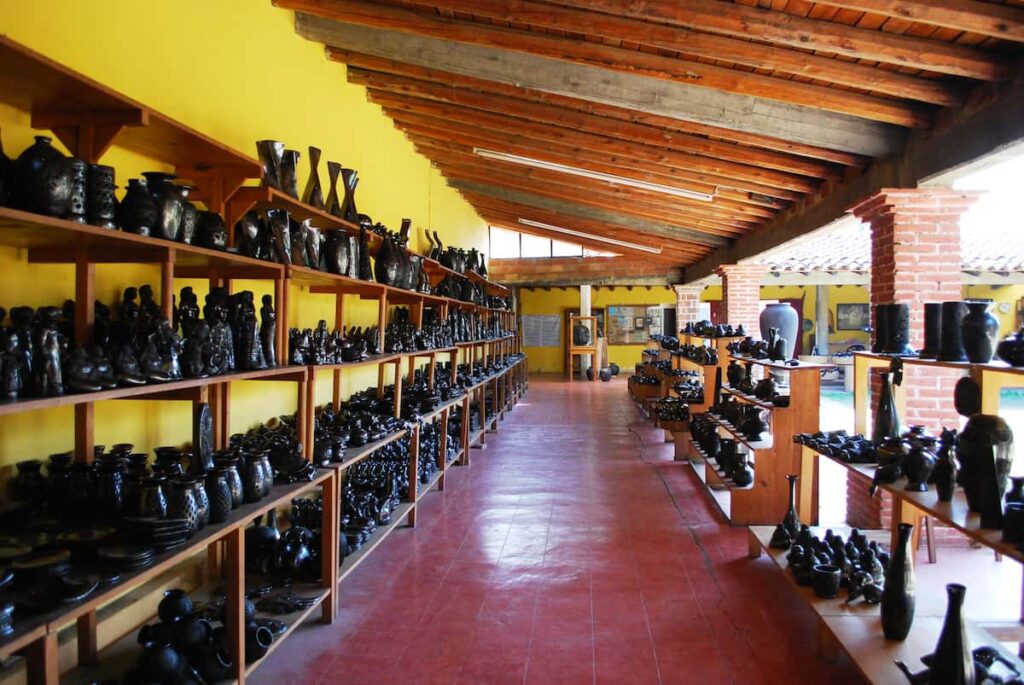
Famous for barro negro—Oaxaca’s distinctive black pottery.
You can visit small workshops to see how it’s made and pick up pieces directly from artisans.
It’s very close to the city, making it an easy stop even if you’re short on time.
How to get there:
- Taxi: ~20 minutes
- Bus or colectivo: Regular departures from Oaxaca Centro near Parque San Francisco
Best for: Quick cultural stop, souvenirs
Do you need a tour? No, it’s very easy to get to on your own. Full day Monte Alban tours will also stop here – Essence Zapoteca Monte Albán, Barro Negro and Alebrijes for a day.
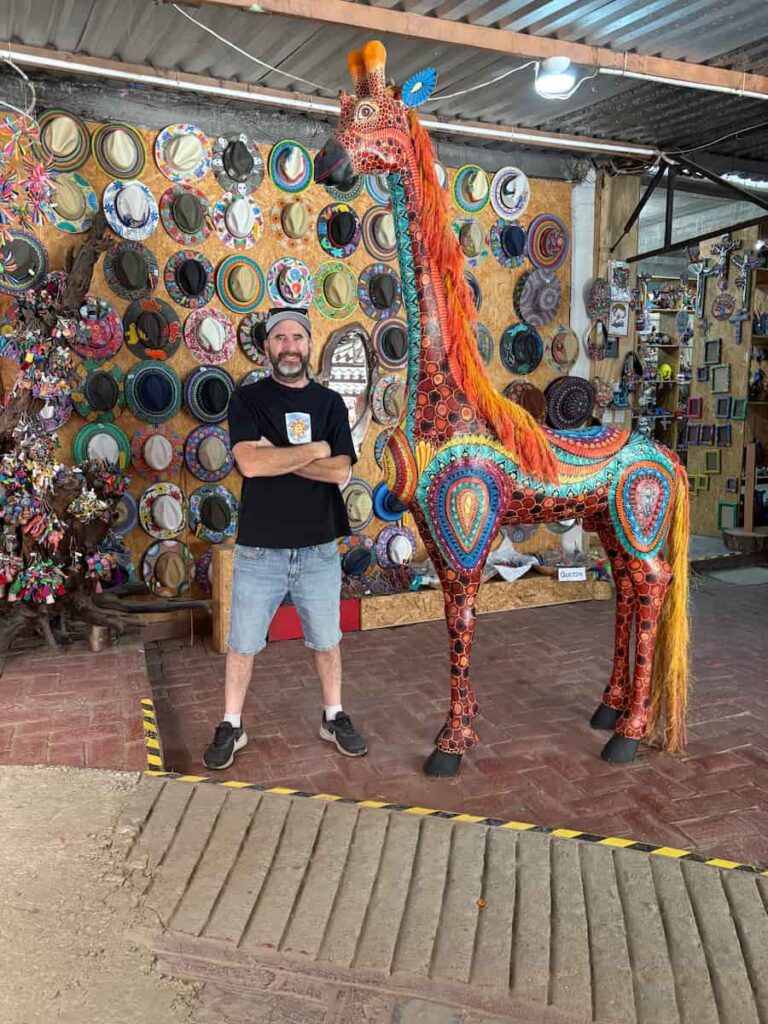
6. San Antonio Arrazola
A small village known for alebrijes—brightly painted wooden carvings that have become one of Oaxaca’s most recognizable art forms.
Visiting a workshop gives you a look at how these detailed pieces are carved and painted by hand, often by family-run artisans.
It’s also very close to Monte Albán, making it an easy add-on to the same trip.
How to get there:
- Taxi: ~20–25 minutes
- Tour: Often combined with Monte Albán
Best for: Art, culture
Do you need a tour? No, no tour is required, but best visited as part of a Monte Albán or village tour rather than on its own.
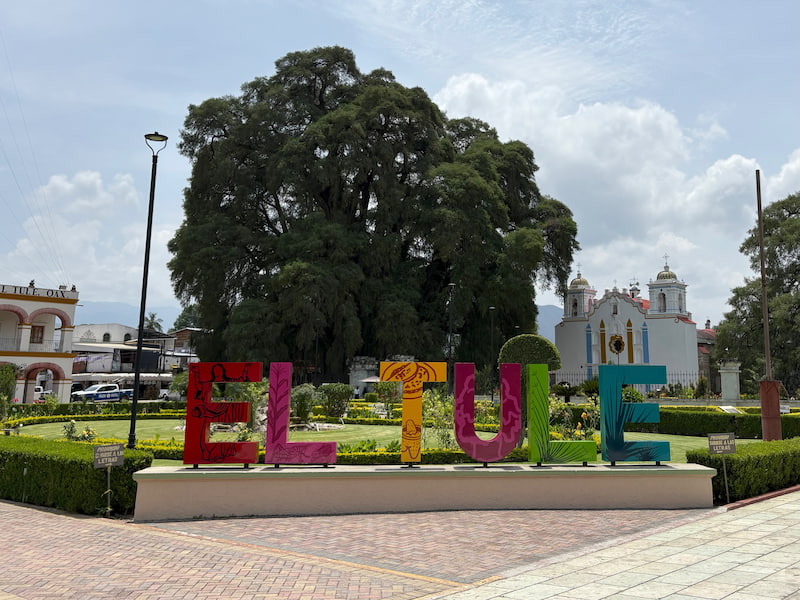
7. Santa María del Tule (El Árbol del Tule)
Home to the widest tree trunk in the world.
The Árbol del Tule is a massive Montezuma cypress with an enormous trunk that’s become a symbol of Oaxaca.
You don’t need long here—a half day if visiting just Tule is enough. See the tree, wander around and eat in the market right next to the tree.
How to get there:
- Bus or colectivo: Very easy, leaving from in front of Volkswagen dealership near baseball stadium
- Taxi: ~15 minutes
- Bike: You can rent a bike. It’s 11km’s and there’s a bike track most of the way.
- Tour: Usually a quick stop
Best for: Quick stop, easy add-on
Do you need a tour? No, very easy to visit just on its own.
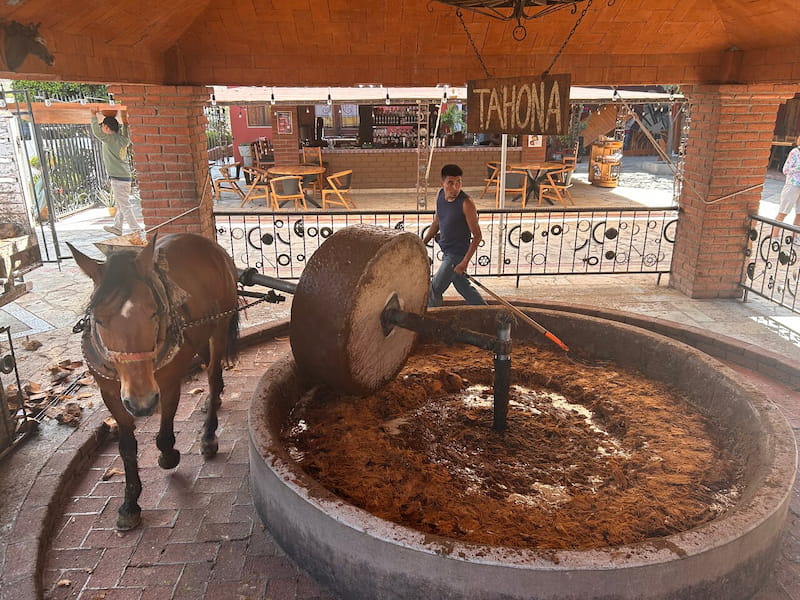
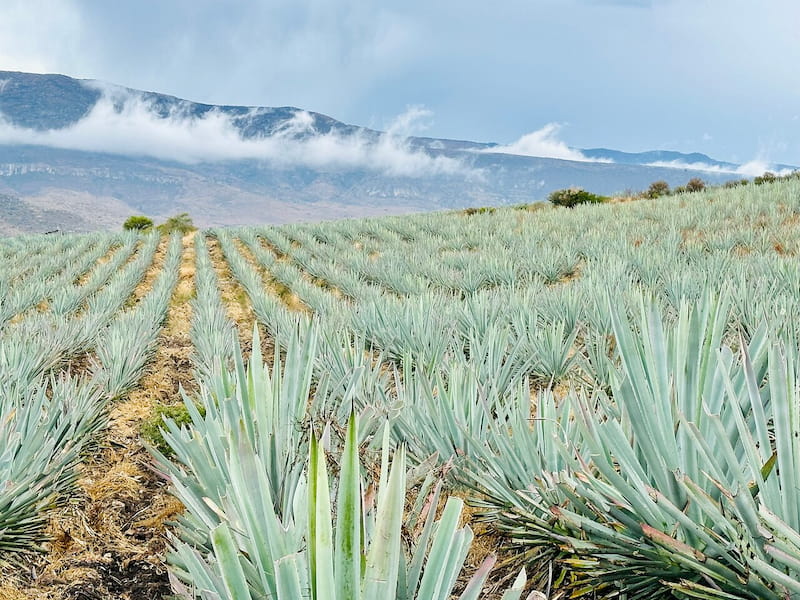
8. Mezcal Distilleries (Santiago Matatlán)
If you want to understand mezcal, this is where you do it.
In towns like Santiago Matatlán, you can visit small palenques (distilleries), see the production process, and taste different varieties.
How to get there:
- Car rental or taxi
- Tour: Most popular option (especially for multiple stops)
Best for: Food & drink, cultural experience
Do you need a tour? Recommended. Most Hierve El Tours do a quick mezcal stop, but if you’re looking for a more in depth mezcal tour, this one is it – The Mezcal Journey
👉 A beginners guide to Mezcal: Oaxaca’s Smoky Spirit
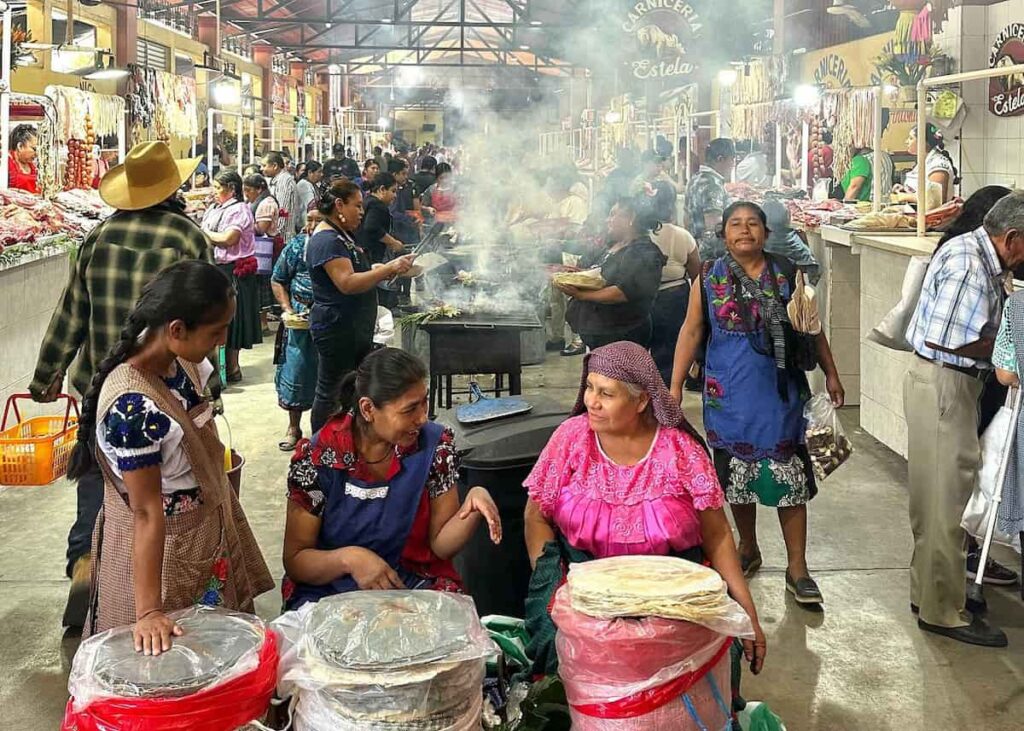
9. Tlacolula Market (Sunday Only)
One of the most authentic markets in the region.
If you’re in Oaxaca on a Sunday, this is worth the trip. It’s busy, chaotic, and packed with local food—especially barbacoa and fresh tortillas.
How to get there:
- Bus or colectivo: Frequent and cheap – Leaves from Volkswagen dealership near baseball stadium.
- Taxi: ~45 minutes
Best for: Food, local experience
Do you need a tour? No. A great half day trip to just wander the market on your own.
10. Pueblos Mancomunados
If you’re looking for something completely different from the typical Oaxaca day trips, this is it.
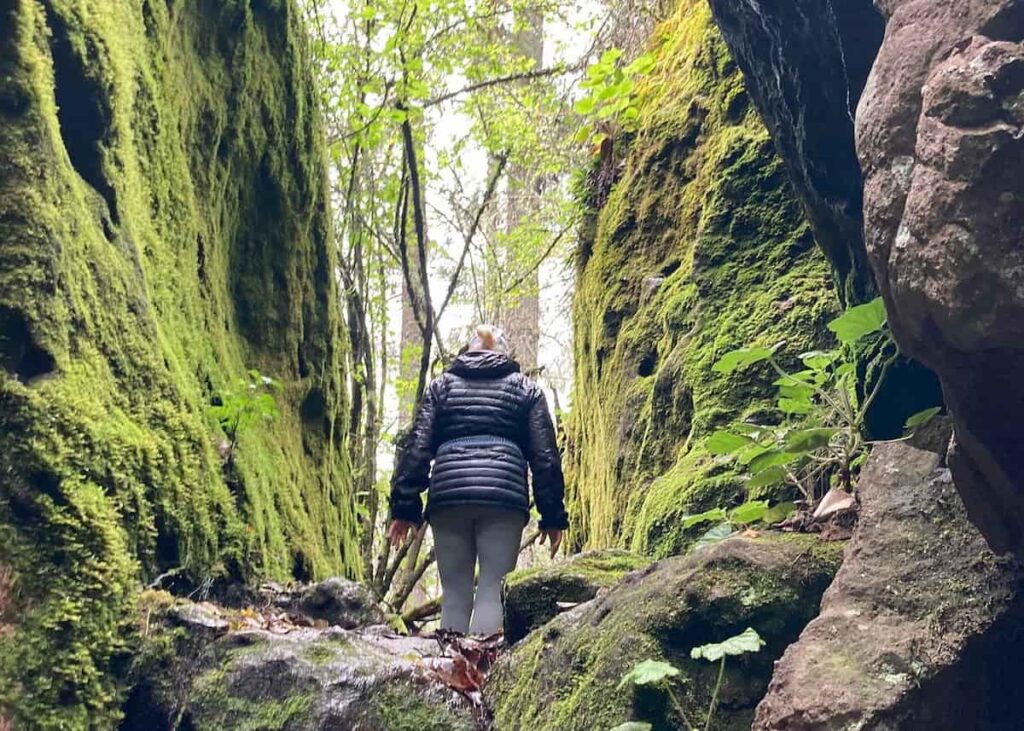
The Pueblos Mancomunados are a network of small mountain communities in the Sierra Norte, known for hiking trails, forests, and eco-tourism experiences. You can explore on foot, by bike, or even horseback.
It’s possible as a long day trip, but most people stay overnight to make the most of it.
How to get there:
- Car or taxi to the Sierra Norte region
- Tour or guided experience recommended
Best for: Nature, hiking, adventure
Do you need a tour? Recommended
Final Thoughts
The best day trips from Oaxaca City aren’t just about ticking off sights—they give you a deeper look at the culture, history, and traditions of the region.
Short on time? These are the ones to focus on::
- Monte Albán
- Hierve el Agua
- A mezcal distillery
That combination gives you a solid mix of history, nature, and local culture.