
100 Mexican Slang Words You Need To Know (Swear Words Included)
Congratulations on taking your Spanish to the next level, Mexican Slang!! You’re going to have some fun here.
Mexican slang is nothing like any Spanish you’ve learned in school or from a text book. Buena onda, wey, no manches, órale – this is just some normal every day talk here in Mexico.
I’ve been living in Mexico for over a decade now and have loved the journey of learning the Mexican Slang. Now it’s my turn to help you learn it.
Start with the family-friendly section. Work your way down. The swear words are at the bottom – and they’re usually the words people enjoy learning the most.
💬 Want to actually speak Mexican Spanish?
👉 Practice Mexican Spanish with a real tutor online from $5 an hour
👉 50 Mexican Idioms: So Bizarre, So Useful, So Mexican.
Part 1 — Family-Friendly Mexican Slang
These work with anyone — your taxi driver, the market vendor, a grandmother, a child. Nothing offensive, all genuinely useful.
Aguas!
Pronunciation: AH-gwas Meaning: Watch out! Look out!
If someone yells this at you, something is about to hit you or you need to move fast. Originally from the colonial era when people threw water out of windows — aguas! was the warning.
Example: ¡Aguas! Viene un carro. — Watch out! There’s a car coming.
Ándale
Pronunciation: AHN-da-leh Meaning: Hurry up / That’s right / Go ahead / Alright
Context-dependent. Said quickly with urgency = hurry up. Said calmly as a response = that’s right, exactly.
Example: Ándale, ya vámonos. — Come on, let’s go already.
A poco!
Pronunciation: ah POH-koh Meaning: No way! Really? Are you serious?
Used to express disbelief or surprise at something you just heard.
Example: ¿A poco te ganaste la lotería? — No way, you won the lottery?
Buena onda
Pronunciation: BWEH-na OHN-da Meaning: Good vibes / Cool / A good person
One of the most useful compliments in Mexican Spanish. Describing a person as buena onda means they’re easygoing, friendly, and pleasant to be around. The opposite is mala onda.
Example: El taxista era muy buena onda. — The taxi driver was really cool.
Chisme
Pronunciation: CHEES-meh Meaning: Gossip
The gossip, the drama, the tea. To gossip is chismear. A gossip (the person) is chismoso/chismosa.
Example: ¿Cuál es el chisme? — What’s the gossip?
Fresa
Pronunciation: FREH-sa Meaning: Snobby / Stuck-up / Posh
Used to describe someone who is pretentious, acts superior, or puts on airs. Also used for fancy objects. Very common term.
Example: Ese restaurante está muy fresa. — That restaurant is very posh.
👉 Why Everyone Says “Provecho” in Mexico (And What It Means for Your Trip)
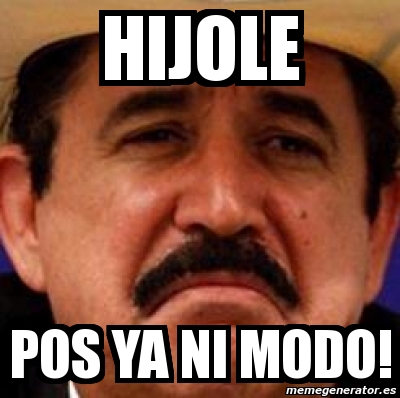
Híjole!
Pronunciation: EE-ho-leh Meaning: Wow / Oh my / Whoa
Expresses surprise, concern, or amazement. Used constantly and safely with anyone.
Example: ¡Híjole, qué calor hace hoy! — Wow, it’s so hot today!
La banda
Pronunciation: la BAN-da Meaning: The crew / The gang / A group of friends
Affectionate term for your friend group.
Example: Esta noche salgo con la banda. — Tonight I’m going out with the crew.
Mande?
Pronunciation: MAN-deh Meaning: Pardon? / What did you say?
The polite Mexican way to ask someone to repeat themselves. Much more common and less abrupt than ¿Qué?
Example: ¿Mande? No te escuché. — Sorry? I didn’t hear you.
Ni modo
Pronunciation: nee MOH-doh Meaning: Oh well / Can’t be helped / That’s just how it is
The great Mexican philosophy of acceptance. Something went wrong and there’s nothing you can do about it — ni modo.
Example: Se canceló el vuelo. Ni modo, agarramos el autobús. — The flight was cancelled. Oh well, we’ll take the bus.
No manches!
Pronunciation: no MAN-ches Meaning: No way! / Come on! / Are you serious!
One of the most-used expressions in Mexico. A softer alternative to the vulgar no mames. Safe to use anywhere.
Example: ¡No manches, olvidé mi cartera! — No way, I forgot my wallet!
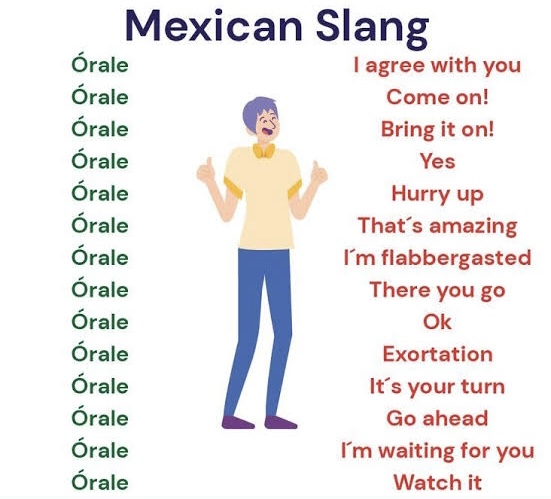
Órale
Pronunciation: OH-ra-leh Meaning: Let’s go / Alright / Wow / Right on / Hurry up
Possibly the most versatile word in Mexican slang. The meaning changes completely depending on tone and context.
Example (agreement): ¿Vamos al mercado? Órale. — Shall we go to the market? Alright.
Example (surprise): ¡Órale, qué padre lugar! — Wow, what a great place!
Example (hurry): ¡Órale, nos vamos! — Come on, let’s go!
Porfis
Pronunciation: POR-fees Meaning: Please (cute/casual version of por favor)
Mostly used with children but adults use it to sound playful and light.
Example: ¿Me ayudas, porfis? — Can you help me, please?
Qué padre
Pronunciation: keh PAH-dreh Meaning: How cool / That’s great / Awesome
The family-friendly version of qué chido. Works with anyone.
Example: ¡Qué padre que viniste! — How great that you came!
Qué onda?
Pronunciation: keh OHN-da Meaning: What’s up? / How’s it going?
Standard informal greeting. Also used to ask what’s going on with something specific.
Example: ¿Qué onda, cómo estás? — Hey, how’s it going?
Example: ¿Qué onda con el taxi? — What’s happening with the taxi?
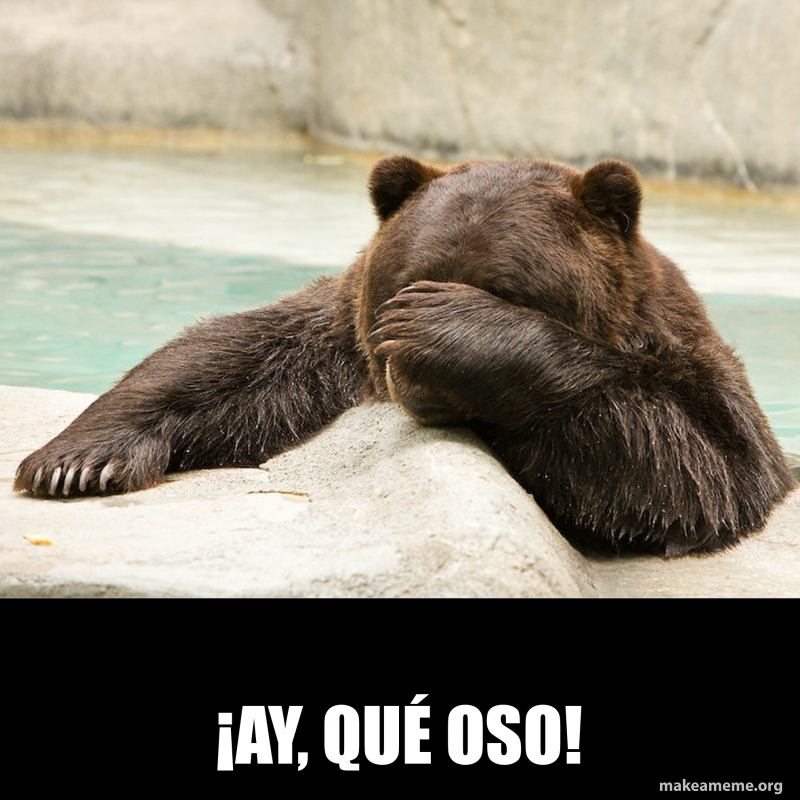
Qué oso!
Pronunciation: keh OH-so Meaning: How embarrassing! / What a cringe!
Literally “what a bear” — but means a deeply embarrassing situation.
Example: Se me cayó la comida enfrente de todos. ¡Qué oso! — I dropped my food in front of everyone. So embarrassing!
Sale
Pronunciation: SAH-leh Meaning: OK / Got it / Deal
Simple agreement word. Often combined: sale vale for extra emphasis.
Example: Nos vemos a las seis. Sale. — See you at six. Got it.
La sopa
Pronunciation: la SOH-pa Meaning: The gossip / The inside information
Example: ¿Ya supiste la sopa? — Did you hear the latest gossip?
Part 2 — Slang Used with Friends (Informal)
These are for people you’re comfortable with. Not offensive, but not for formal situations.
Wey / Güey
Pronunciation: WEY (rhymes with “way”) Meaning: Dude / Bro / Man
The most used slang word in all of Mexico. You will hear it dozens of times per day. It appears in almost every casual sentence.
Example: ¿A dónde vas, wey? — Where are you going, dude? Example: No manches, wey, qué buena comida. — No way, man, the food was so good.
💬 Want to actually speak Mexican Spanish?
👉 Practice Mexican Spanish with a real tutor
Ahuevo!
Pronunciation: ah-WEH-vo Meaning: Hell yes! / Absolutely! / For sure!
Strong affirmation expressing enthusiasm or agreement. Has a slightly vulgar edge but widely used.
Example: ¿Quieres ir a la playa? ¡Ahuevo! — Do you want to go to the beach? Hell yes!
A su mecha!
Pronunciation: ah soo MEH-cha Meaning: Oh my God! / Holy moly! / We’re in trouble
Softer version of a su madre. Safe-ish for most situations.
Example: ¡A su mecha, perdimos el camión! — Oh man, we missed the bus!
Caer gordo
Pronunciation: ka-EHR GOR-doh Meaning: To dislike someone / To find someone annoying
Literally “to fall fat” — but means someone rubs you the wrong way.
Example: Ese tipo me cae gordo. — That guy really annoys me.
Cámara
Pronunciation: KAH-ma-ra Meaning: Agreed / It’s a deal / Sounds good
Example: Te ayudo mañana. Cámara. — I’ll help you tomorrow. Deal.
Chafa
Pronunciation: CHA-fa Meaning: Cheap quality / Junky / Knock-off
For anything poorly made, fake, or disappointing.
Example: Este cargador es bien chafa, ya se rompió. — This charger is garbage, it already broke.
Chale
Pronunciation: CHA-leh Meaning: That sucks / Ugh / Bummer
Expression of disappointment or sympathy.
Example: Me cancelaron el vuelo. — They cancelled my flight. Chale, qué mala suerte. — That sucks, what bad luck.
Chamaco / Chamaca
Pronunciation: cha-MAH-ko / cha-MAH-ka Meaning: Kid / Young person
Example: Ese chamaco no para de correr. — That kid won’t stop running.
Chambear
Pronunciation: cham-BEH-ar Meaning: To work (informal)
Chamba = work or job. Much more common in casual speech than trabajo.
Example: No puedo salir, estoy chambeando. — I can’t go out, I’m working.
Chido / Chida
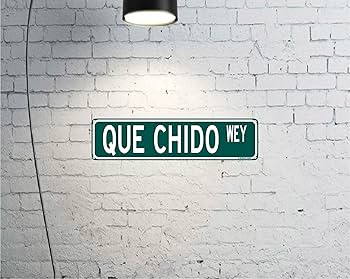
Pronunciation: CHEE-doh / CHEE-da Meaning: Cool / Awesome / Great
The informal version of qué padre. Used constantly among friends.
Example: ¡Qué chido el concierto! — The concert was so cool!
Chueco
Pronunciation: CHWEH-ko Meaning: Crooked / Dodgy / Not straight
Used literally (a bent object) or figuratively (a shady deal or person).
Example: Ese negocio se me hace bien chueco. — That business seems really dodgy to me.
Chulo / Chula
Pronunciation: CHOO-lo / CHOO-la Meaning: Cute / Beautiful / Attractive
Can refer to a person or an object. Generally warm and complimentary.
Example: ¡Qué chula está la ciudad! — The city looks so beautiful!
Chavo / Chava
Pronunciation: CHA-vo / CHA-va Meaning: Young man / Young woman / Guy / Girl
Example: Había un chavo muy buena onda en el mercado. — There was a really cool guy at the market.
Chingón / Chingona
Pronunciation: chin-GOHN / chin-GOH-na Meaning: Badass / The best / Impressive / Excellent
One of the highest compliments in Mexican slang. A chingón is someone at the top of their game.
Example: Ese mezcalero es un chingón. — That mezcal producer is an absolute legend.
Codo / Coda
Pronunciation: KOH-doh / KOH-da Meaning: Cheap / Stingy / Tight with money
Literally “elbow” — the gesture for stingy is tapping your elbow.
Example: No invites a Juan, es muy codo. — Don’t invite Juan, he’s really tight with money.
Cochino / Cochina
Pronunciation: ko-CHEE-no Meaning: Dirty / Disgusting / A pig
Example: No seas cochino, recoge tu basura. — Don’t be a pig, pick up your trash.
Crudo / Cruda
Pronunciation: KROO-doh Meaning: Hungover
One of the most useful words to know in Mexico.
Example: Estoy bien crudo hoy. — I’m really hungover today.
Desmadre
Pronunciation: des-MAH-dreh Meaning: Chaos / Mess / Wild situation (positive or negative)
One of the most versatile slang words in Mexico. Can describe a disaster OR an amazing, chaotic party.
Example (negative): Este tráfico es un desmadre. — This traffic is a complete disaster.
Example (positive): La fiesta estuvo un desmadre. — The party was absolutely wild.
👉 Why Everyone Says “Provecho” in Mexico (And What It Means for Your Trip)
Guapo / Guapa
Pronunciation: GWA-po / GWA-pa Meaning: Handsome / Beautiful / Good-looking
Example: Está muy guapo el actor ese. — That actor is very handsome.
Güero / Güera
Pronunciation: WEH-ro / WEH-ra Meaning: Fair-skinned / Blonde / Light-haired person
Not offensive — descriptive. You may be called this if you’re a light-skinned foreigner.
Example: Oye, güero, ¿quieres una tlayuda? — Hey, fair one, do you want a tlayuda?
Huevón / Huevona
Pronunciation: weh-VOHN Meaning: Very lazy person / Sluggard
Example: No seas huevón, ya levántate. — Don’t be so lazy, get up already.
Jefe / Jefa
Pronunciation: HEH-feh / HEH-fa Meaning: Boss — but used for Mom and Dad in slang
Mi jefe = my dad. Mi jefa = my mom.
Example: Voy a comer con mi jefa hoy. — I’m having lunch with my mom today.
Mala copa
Pronunciation: MAH-la KOH-pa Meaning: Someone who can’t handle alcohol / Mean drunk
Literally “bad glass.”
Example: No le des más, es mala copa. — Don’t give him more, he’s a mean drunk.
Metiche
Pronunciation: meh-TEE-cheh Meaning: Nosy person / Someone who meddles in others’ business
Example: No seas metiche, no es tu problema. — Don’t be nosy, it’s not your problem.
Morro / Morra
Pronunciation: MOR-ro / MOR-ra Meaning: Young man / Young woman / Boyfriend / Girlfriend (casual)
Example: Ya viene tu morra. — Here comes your girlfriend.
Mota
Pronunciation: MOH-ta Meaning: Marijuana
Example: Huele a mota aquí. — It smells like weed in here.
Naco / Naca
Pronunciation: NAH-ko Meaning: Low-class behavior / Tacky / Vulgar
About behavior and attitude, not money.
Example: No te pongas naco en la fiesta. — Don’t act tacky at the party.
Neta
Pronunciation: NEH-ta Meaning: Really? / For real? / The truth
Example: ¿Neta que te vas a Oaxaca? — For real, you’re going to Oaxaca?
No hay bronca
Pronunciation: no eye BROHN-ka Meaning: No problem / No worries / It’s all good
Example: Llegas tarde. No hay bronca. — You’re late. No worries.
Panzón / Panzóna
Pronunciation: pan-SOHN Meaning: Pot-bellied / Big belly / Pregnant (informal)
Affectionate or playful term.
Example: Desde que llegué a Oaxaca me puse panzón. — Since I arrived in Oaxaca I got a belly.
Ratero / Ratera
Pronunciation: ra-TEH-ro Meaning: Thief / Pickpocket
From rata — rat.
Example: Cuida tu bolsa, hay rateros en el mercado. — Watch your bag, there are pickpockets at the market.
Rola
Pronunciation: ROH-la Meaning: Song / Track (slang)
Example: ¿Qué rola es esa? — What song is that?
Simón
Pronunciation: see-MOHN Meaning: Yes / Yep / Affirmative
Slang for sí. From “sí, man.”
Example: ¿Vienes al mercado? Simón. — Are you coming to the market? Yep.
Un chingo (de)
Pronunciation: oon CHIN-go Meaning: A lot of / Tons of / Loads
One of the most useful quantity words in casual Mexican Spanish.
Example: Hay un chingo de gente en el zócalo. — There are tons of people at the zócalo.
Part 3 — Slang for Everyday Situations
Words for friends (instead of amigo)
Carnal — close friend, almost like a brother Compa — buddy, companion Cuate— pal, twin (close friend) Tío — dude (borrowed from Spain, used casually)
Words for beer
Chela / Cheve — beer Caguama — large bottle of beer (940ml) Unas frías — a few cold ones
Words for money
Lana / Plata — money (general) Varos — bucks/pesos (specific amounts)
Example: ¿Tienes varos? Necesito cien varos para el taxi. — You got any cash? I need 100 pesos for the taxi.
Part 4 — Mexican Swear Words (Groserías)
These are the words you’ll hear constantly but won’t find in textbooks. Used incorrectly they can cause offense — but understanding them is essential for comprehending real Mexican Spanish.
Use these only once you have a genuine feel for context and relationship. Some of the following are extremely strong.
👉 Chingar: Mexico’s Most Important Word and Everything It Means
A toda madre
Pronunciation: ah TOH-da MAH-dreh Meaning: Excellent / The best / Outstanding
Despite containing madre, this is actually a positive expression.
Example: La comida estuvo a toda madre. — The food was absolutely incredible.
A su madre!
Pronunciation: ah soo MAH-dreh Meaning: Holy shit! / Oh my God! (surprise/shock)
The vulgar version of a su mecha.
Example: ¡A su madre, se cayó todo! — Holy shit, everything fell!
Baboso / Babosa
Pronunciation: ba-BOH-so Meaning: Idiot / Fool / Sleazy person
Example: No seas baboso, piensa antes de hablar. — Don’t be an idiot, think before you speak.
Cabrón / Cabrona
Pronunciation: ka-BROHN Meaning: Bastard / Idiot (negative) OR badass / clever person (positive, between friends)
Context is everything with this word.
Example (insult): ¡Ese cabrón me robó! — That bastard robbed me!
Example (compliment, friends): ¡Ese cabrón sabe mucho de mezcal! — That guy really knows his mezcal!
Cagar
Pronunciation: ka-GAR Meaning: To shit — but also to screw up / to mess things up
Example: La cagué con eso. — I really screwed that up.
Chinga tu madre!
Meaning: Go fuck yourself / Go to hell
One of the strongest insults in Mexican Spanish. Not to be used lightly.
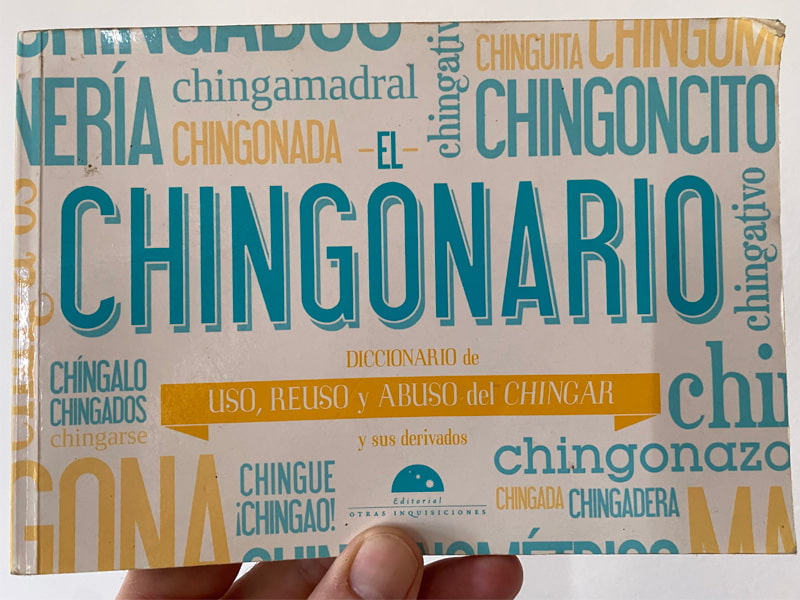
👉 Did you know there’s a whole book dedicated to the verb Chingar? It’s right here, called the Chingonario.
¡Ahh Chingá!
Pronunciation: ah chin-GAH Meaning: Oh fuck! / Well, that’s not good.
Said when something goes wrong and worse is likely to follow.
Example: ¡Ahh chingá, se me olvidó el pasaporte! — Oh fuck, I forgot my passport!
Chingadera
Pronunciation: chin-ga-DEH-ra Meaning: A piece of shit / Worthless thing
Example: Esa chingadera ya no sirve. — That piece of shit doesn’t work anymore.
La Chingada
Meaning: A distant, imaginary place you’re told to go to when someone says go to hell
Vete a la chingada = Go to hell / Get lost.
No me chingues
Meaning: Stop messing with me / Stop bothering me (very vulgar)
Example: Ya no me chingues, estoy trabajando. — Stop bugging me, I’m trying to work.
Churro
Pronunciation: CHOO-ro Meaning: A marijuana joint
Note: also the delicious fried pastry. Context is important here.
Coger
Pronunciation: koh-HER Meaning: To have sex (in Mexico and most of Latin America)
Be very careful — in Spain this just means “to grab/take.” In Mexico it is explicitly sexual. Never say voy a coger el autobús in Mexico.
👉 50 Mexican Idioms: So Bizarre, So Useful, So Mexican.
Culo
Pronunciation: KOO-lo Meaning: Ass / Backside (vulgar)
Hasta la madre
Pronunciation: AHS-ta la MAH-dreh Meaning: Fed up / Sick and tired / Can’t take it anymore
Example: Ya estoy hasta la madre de este tráfico. — I’m completely fed up with this traffic.
Huevos
Pronunciation: WEH-vos Meaning: Literally eggs — in slang, balls / guts / courage
Example: Se necesitan huevos para hacer eso. — It takes guts to do that.
Mamacita
Pronunciation: ma-ma-SEE-ta Meaning: An attractive woman (used as a compliment, though context matters)
Mamada
Pronunciation: ma-MAH-da Meaning: Bullshit / Nonsense — OR a sexual act
Example: No me vengas con mamadas. — Don’t give me that bullshit.
Mamón / Mamona
Pronunciation: ma-MOHN Meaning: Jerk / Arrogant person / Suck-up
Example: No seas mamón, invita a todos. — Don’t be a jerk, invite everyone.
Maricón
Pronunciation: ma-ree-KOHN Meaning: A strong homophobic insult — used as a general insult even when not referring to sexuality
Be aware this word is used casually but is genuinely offensive.
Me vale madre!!
Meaning: I don’t give a damn / I couldn’t care less
One of the strongest “I don’t care” expressions.
Example: Me vale madre lo que digan. — I couldn’t care less what they say.
No mames!
Pronunciation: no MAH-mes Meaning: WTF? / No way! / You can’t be serious!
The vulgar version of no manches. Extremely common.
Example: ¡No mames wey, ganamos! — No way man, we won!
Peda
Pronunciation: PEH-da Meaning: A drinking session / Party / Getting drunk
Example: ¡Qué buena peda fue anoche! — What a great night last night!
Pedo
Pronunciation: PEH-doh Meaning: Literally a fart — but also: drunk / a problem / what’s up / an exclamation
The most versatile vulgar word in Mexican Spanish.
Example (greeting): ¿Qué pedo, wey? — What’s up, dude?
Example (drunk): Estabas bien pedo anoche. — You were really drunk last night.
Example (problem): ¿Cuál es el pedo? — What’s the problem?
Example (surprise): ¡Qué pedo! — What the hell!
💬 Want to actually speak Mexican Spanish?
👉 Practice Mexican Spanish with a real tutor online from $5 an hour

Pendejo / Pendeja
Pronunciation: pen-DEH-ho Meaning: Idiot / Dumbass / Fool
Used as an insult or jokingly between close friends depending on tone.
Example: No seas pendejo, agarra un taxi. — Don’t be an idiot, take a taxi.
Pendejadas
Meaning: Nonsense / Stupid things / Bullshit actions
Example: Deja de decir pendejadas. — Stop talking nonsense.
Perra
Meaning: Bitch
Perrón / Perrona
Pronunciation: peh-ROHN Meaning: Badass / Awesome / Kick-ass
Example: Ese mezcal está perrón. — That mezcal is absolutely incredible.
Pistear
Pronunciation: pis-teh-AR Meaning: To drink heavily / To get drunk / To party
Example: Esta noche vamos a pistear. — Tonight we’re going to get hammered.
Putazo
Pronunciation: poo-TAH-so Meaning: A hard punch / A serious beating
Example: Le metieron un putazo. — They threw him a hard punch.
Puta
Meaning: Slut / Whore
Puta madre
Meaning: An extremely versatile expression ranging from “holy shit!” to “fuck this” to “fuck you” to “that’s amazing”
The tone and context change everything.
Example (amazement, slow): Puuuta maaadre, qué vista. — Holy shit, what a view. Example (frustration): ¡Puta madre, se perdió el trabajo! — Fucking hell, the work got lost!
Qué poca madre
Meaning: That’s messed up / That’s seriously not cool / What a shitty thing to do
Example: Te dejó pagando la cuenta? ¡Qué poca madre! — He left you to pay the bill? That’s messed up!
Verga
Pronunciation: VER-ga Meaning: Dick/penis — but used in expressions meaning anything from “amazing” to “go to hell”
A la verga! — Holy shit! (positive or negative) Me vale verga — I don’t give a damn Vete a la verga — Go to hell
A Note on Using Mexican Slang
Reading a list and using these words are different things. The ones that’ll embarrass you most are the ones that mean something completely different depending on tone — cabrón, desmadre, pedo, verga — these can be warm affection between friends or a serious insult depending entirely on how they’re said and who you’re talking to.
My honest advice: listen first. You’ll hear these constantly in daily life in Mexico. Get a feel for how they’re used before you try them yourself. Start with the family-friendly section — buena onda, no manches, qué padre — and work your way down as your comfort and context improves.
The swear words — you’ll understand them long before you’re ready to use them. That’s fine. Understanding is enough.
FAQ
What is the most used slang word in Mexico? Wey (also spelled güey) — used constantly in casual conversation among friends to mean dude or bro. You’ll hear it dozens of times daily.
What does “no manches” mean in Mexican slang? “No way!” or “Come on!” — a family-friendly expression of surprise or disbelief. The vulgar version is no mames.
What does “órale” mean? It depends entirely on context and tone: let’s go, alright, yes, wow, hurry up. It’s one of the most context-dependent words in Mexican Spanish.
What’s a good Mexican slang word for cool? Chido/chida is the most common among friends. Buena onda is more widely used across all ages. Padre is classic and safe for any situation.
Is Mexican slang different from Spain Spanish? Very much so — coger means “to grab” in Spain but is explicitly sexual in Mexico. Tío means dude in Spain but uncle in Mexico. Mexican slang has strong indigenous (Nahuatl) roots that Spanish Spanish does not have.
What’s the rudest Mexican swear word? Context-dependent, but chinga tu madre and vete a la chingada are among the strongest insults. Me vale madre and puta madre are extremely common in casual speech but very strong to non-native speakers.
✍️ Ready to level up your Spanish?
These Mexican Slang Words are just the beginning. Try Italki — or grab this pocket phrasebook to keep the expressions handy on the go.
Thank you
Hijo de puta….will sound as “hi de pu”….so importante to practice listening to the spoken slangs,otherwise you won’t catch them in normal interactions.
Thanks mate 👍
Yeah spot on!! It’s one thing to learn Spanish, then the Mexican Slang… then trying to understand it all when it’s spoken so quickly haha. And all the doble sentidos tambien! It’s good fun.
Chinguen a su puta madre pinches pendejos hijos de la verga váyanse a la chingada