50 Best Things To Do In Oaxaca City (2026 Guide)
Oaxaca is one of those cities that earns every word written about it.
UNESCO-listed, culturally extraordinary, and sitting at 1,550 meters in the mountains of southern Mexico — it’s a city that rewards curiosity at every turn. The food alone could fill a week. Add the ruins, the craft villages, the festivals, the mezcal, the street art, the mountains, and the coast, and you start to understand why people come for a long weekend and end up staying much longer.
These are the 50 best things to do in Oaxaca City — organized so you can actually plan your trip around them.
First — A Few Things Worth Knowing
Getting around: Centro Histórico is walkable. Most attractions in the city center are within 20 minutes on foot. Taxis are cheap and abundant for anything further. There is no Uber — flag a cab or ask your accommodation to call one.
Day trips: Several of the best things to do require leaving the city. Monte Albán, Hierve el Agua, Teotitlán del Valle, and the mezcal villages are all within 1.5 hours. Budget at least two days for day trips.
Best base: Stay in Centro Histórico or Jalatlaco. Both put you walking distance from everything in the city and make day trips easy.
👉 5 Days in Oaxaca City: A Practical Itinerary for First-Time Visitors
The Non-Negotiables — Start Here
1. Monte Albán
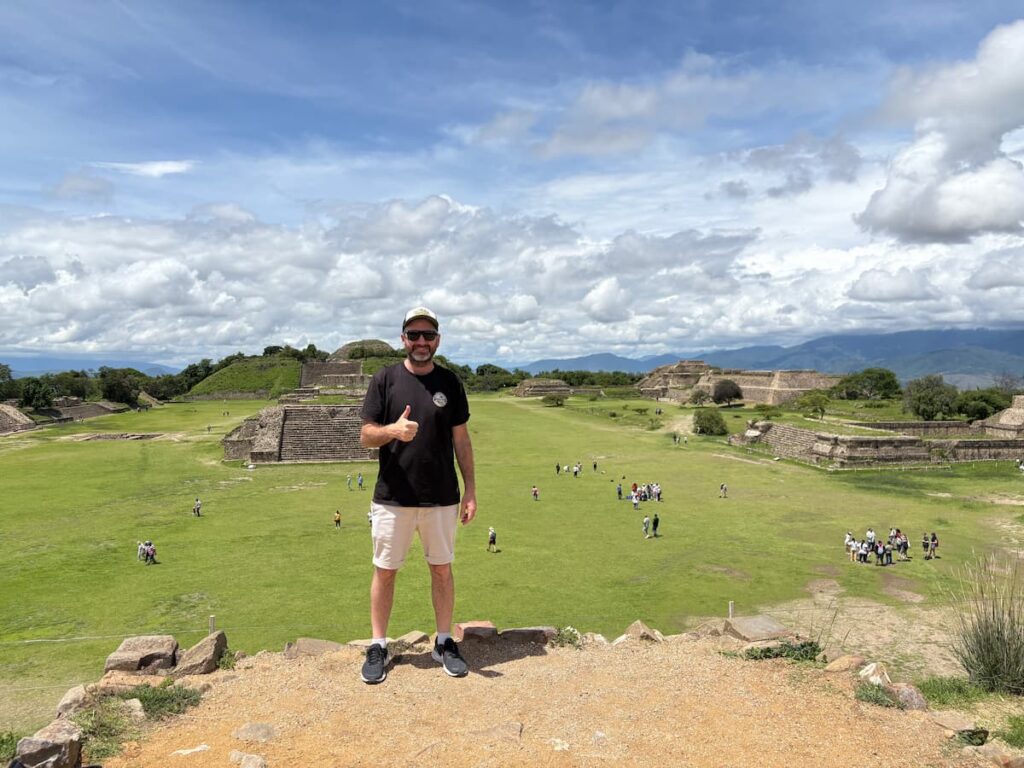
The most important thing to do in Oaxaca — and one of the most impressive archaeological sites in Mexico.
Monte Albán was the Zapotec capital from around 500 BC to 900 AD, built on an artificially flattened mountaintop 400 meters above the valley floor. The scale hits you immediately: a massive central plaza flanked by pyramids, an astronomical observatory, carved stone relief panels, and views of the Oaxacan valleys stretching in every direction.
Allow 2–3 hours minimum. Go early for cooler temperatures and fewer crowds. Entry is 210 MXN (2026 price).
⭐️ 4.8 — Monte Albán Guided Half Day Tour
👉 Monte Albán: Everything You Need to Know Before You Visit
2. Hierve el Agua
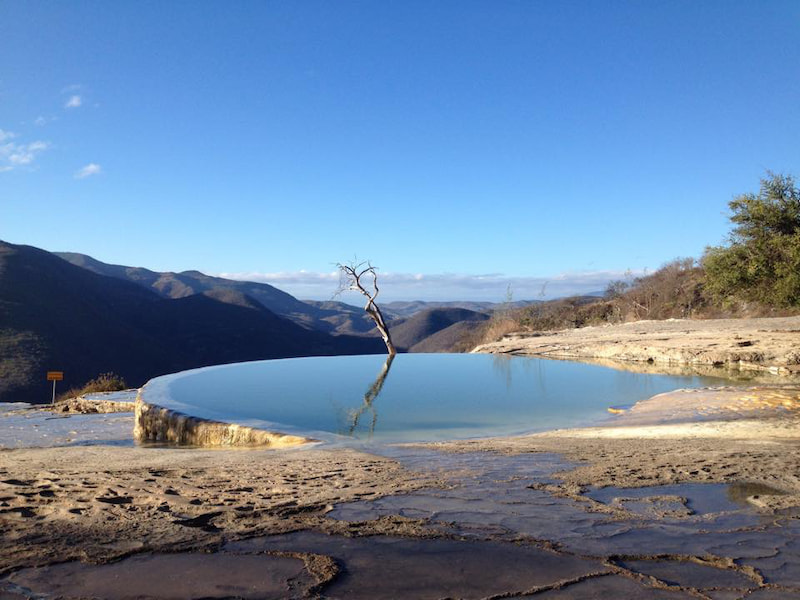
Petrified waterfalls cascading over a clifftop, natural mineral pools to swim in, and panoramic mountain views — Hierve el Agua is unlike anything else in Mexico.
About 1.5 hours east of Oaxaca City. Most visitors combine it with Mitla, El Tule, and a mezcal distillery stop into a full day trip. One of the most searched day trips from Oaxaca for good reason.
⭐️ 4.7 — Hierve el Agua, Mitla, Tule + Mezcal Full Day Tour
👉 Visiting Hierve el Agua: Tours, Tips, How to Get There & What to Expect
3. Templo de Santo Domingo
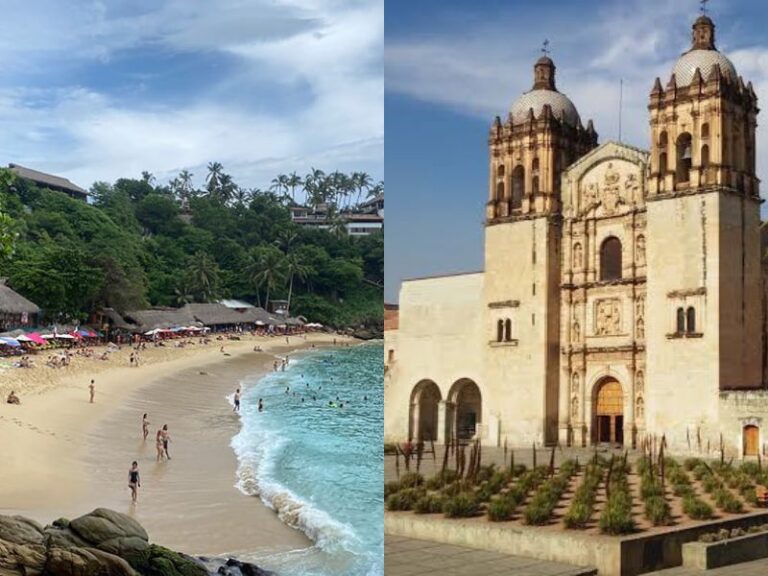
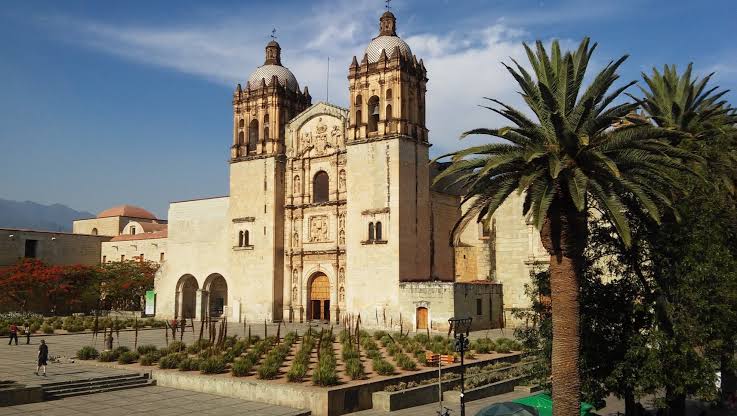
The most photographed building in Oaxaca and one of the finest examples of baroque architecture in Mexico. The exterior with its carved stone facade flanked by agave plants is striking enough — but go inside. The gilded interior is extraordinary.
Connected to the Oaxaca Cultural Museum (included with entry) and backed by the Ethnobotanical Garden. This entire block is worth a good two hours.
Free to enter the church. Museum entry around 70 MXN.
4. The Ethnobotanical Garden
One of the most underrated things to do in Oaxaca City, and one that many visitors miss entirely.
Designed by Oaxacan artists Francisco Toledo and Luis Zárate on the grounds of the former Santo Domingo convent, the garden is home to hundreds of plants native to Oaxaca — towering cacti, rescued agave species, medicinal plants, and endemic trees. It’s remarkable for anyone interested in plants, ecology, or simply beautiful spaces.
Important: Entry is by guided tour only. Tours run at set times and fill up — arrive early or book ahead. No shade inside, bring water. Tours cost around 50–70 MXN.
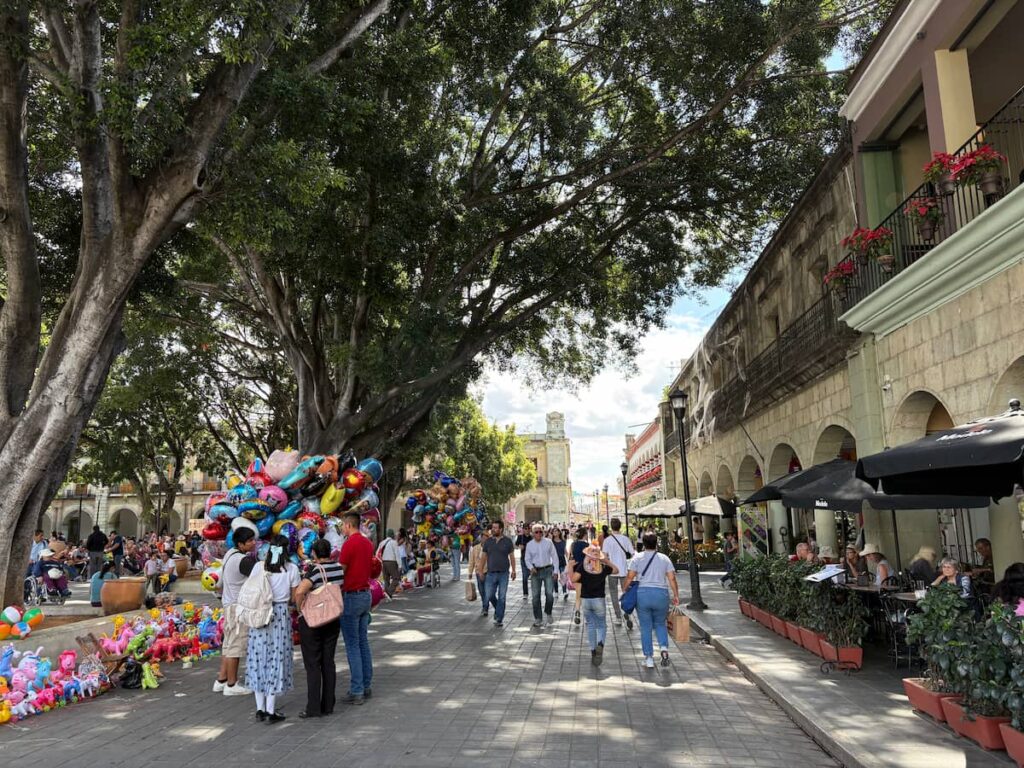
5. The Zócalo
The heart of Oaxaca City and its most reliable people-watching spot.
The Zócalo is pedestrianized, lined with cafés under the arcades, shaded by large laurel trees, and busy from morning until late at night with families, musicians, street performers, and vendors. It’s the place to arrive and get your bearings, and the place to return to at the end of the day over a mezcal and a snack.
Free, always open, and worth multiple visits at different times of day.
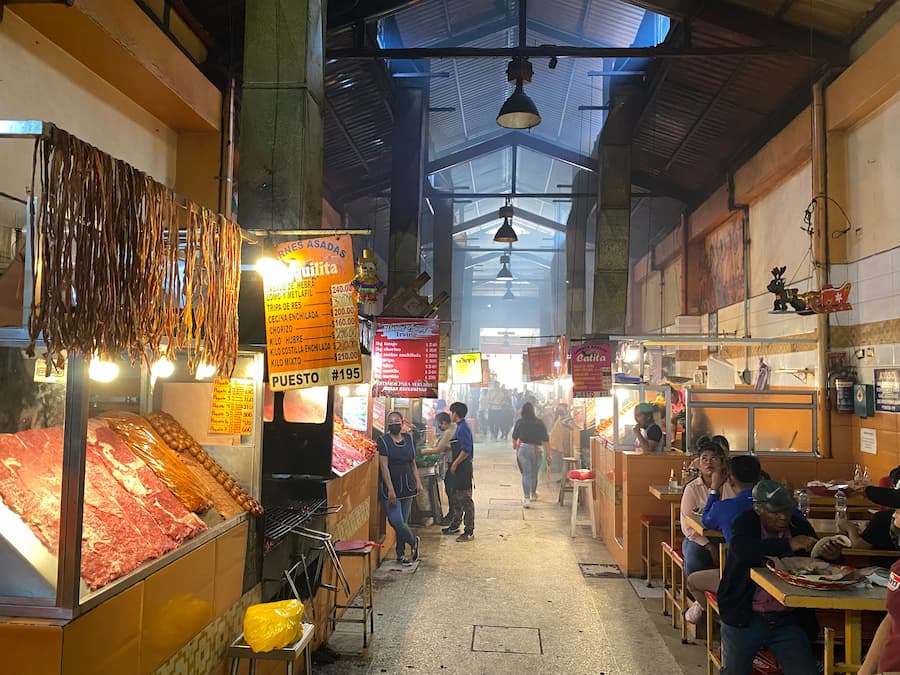
6. Mercado 20 de Noviembre — Pasillo de Humo
Oaxaca’s most famous food market and the best place in the city to eat a traditional lunch.
The Pasillo de Humo — the Smoke Hall — is the centerpiece: choose your raw meat (tasajo, chorizo, cecina, carne enchilada) from vendors at the entrance, hand it over, and watch it grill over charcoal in front of you. Sit at shared tables with tortillas, grilled onions, quesillo, and salsa.
Loud, smoky, chaotic, and excellent. One of the most Oaxacan experiences you can have in the city.
👉 Oaxaca City’s Top Markets: Eat, Shop, Vibe
7. Mercado Benito Juárez
Right next to 20 de Noviembre — your best one-stop shop for Oaxacan food products and souvenirs. Fresh mole paste by weight, quesillo, dried chilies, chocolate, mezcal, textiles, and alebrijes. Better prices than the craft shops on Alcalá.
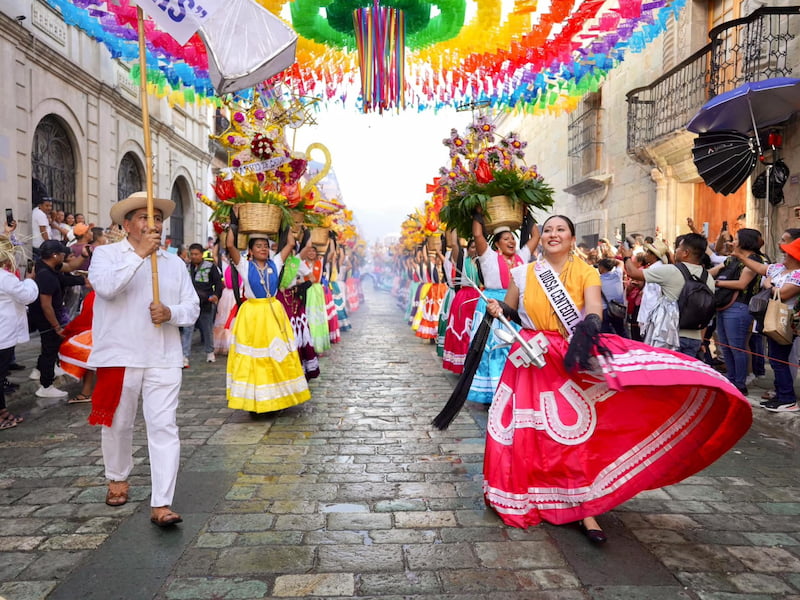
8. Guelaguetza (July)
Mexico’s most important indigenous cultural festival happens every July in Oaxaca — two full weeks of parades, performances, and celebrations culminating in the main shows on the last two Mondays of the month.
Over a dozen dance delegations from Oaxaca’s eight regions perform in the hilltop amphitheater, throwing gifts into the crowd. The Saturday parades and pueblo celebrations are free. Auditorium tickets sell out months ahead.
If the Guelaguetza is on your radar, plan your trip around it.
👉 Guelaguetza 2026: The Complete Guide
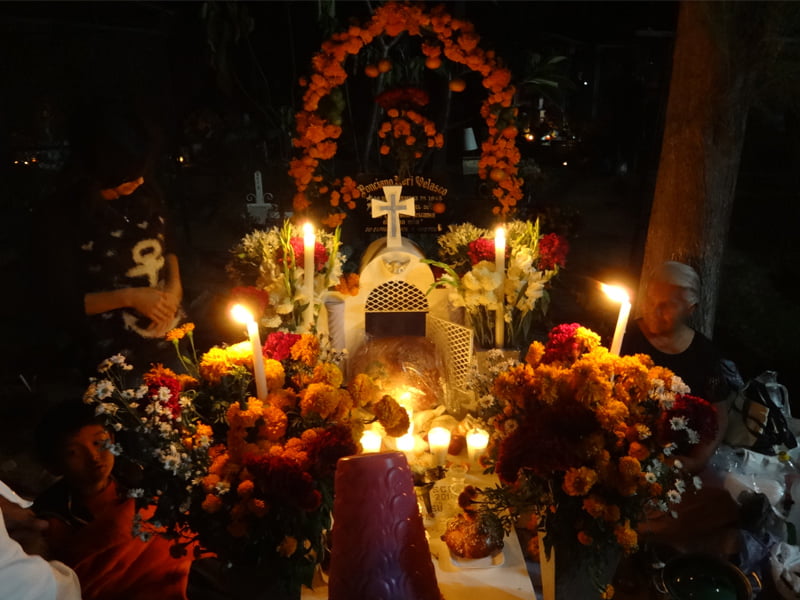
9. Día de Muertos (October 31–November 2)
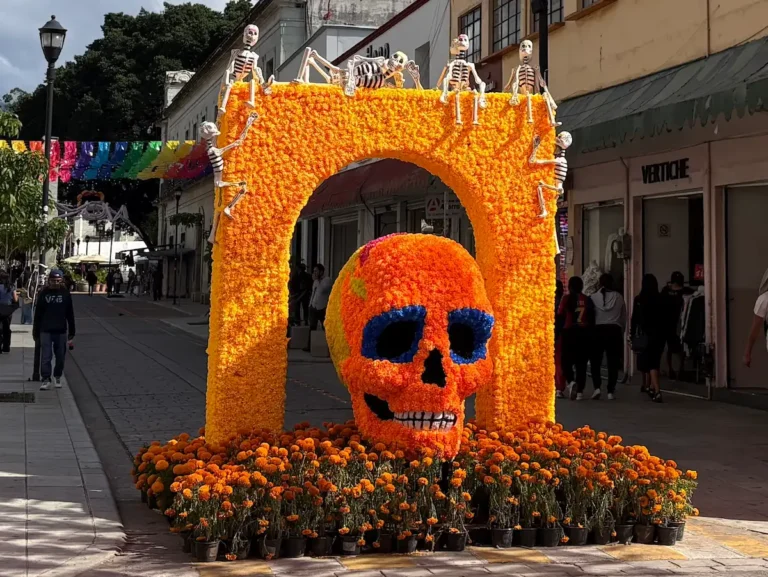
Candlelit cemetery vigils, elaborate altars loaded with marigolds and copal smoke, painted faces, and nighttime processions through the streets. Oaxaca’s Day of the Dead is considered the most extraordinary in Mexico.
Book accommodation 4–6 months ahead minimum. The city fills completely for this period.
👉 Day of the Dead in Oaxaca 2026: Cemeteries, Parades & How to Celebrate
Food and Drink
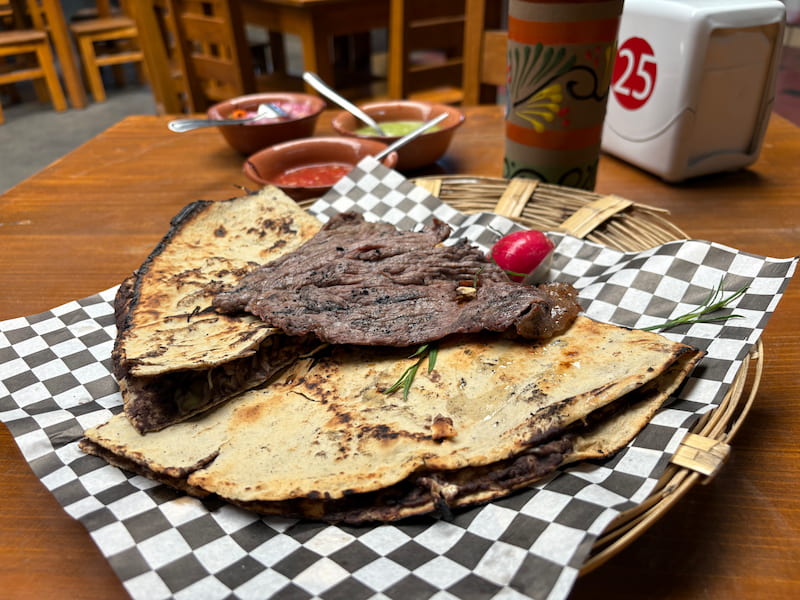
10. Eat a Tlayuda
If you only eat one thing in Oaxaca, it should be a tlayuda. A large charcoal-toasted corn tortilla spread with black beans, asiento, quesillo, and your choice of meat — tasajo, cecina, or chorizo. The quintessential Oaxacan street food, best eaten from an evening vendor.
Favorites: Tlayudas Doña Flavia, Tlayudas Libres, Tlayudas El Negro.
👉 Top 5 Street Foods in Oaxaca You Have to Try
11. Eat Memelas for Breakfast
Thick oval corn cakes cooked on a comal, topped with black beans, salsa, and quesillo. The best breakfast in Oaxaca and one of its most loved street foods.
12. Taste All Seven Moles
Oaxaca is called the land of seven moles — negro, rojo, coloradito, amarillo, verde, chichilo, and manchamantel. Try them across different restaurants and markets rather than hunting them all in one place. Mole negro is the essential one.
13. Take a Cooking Class
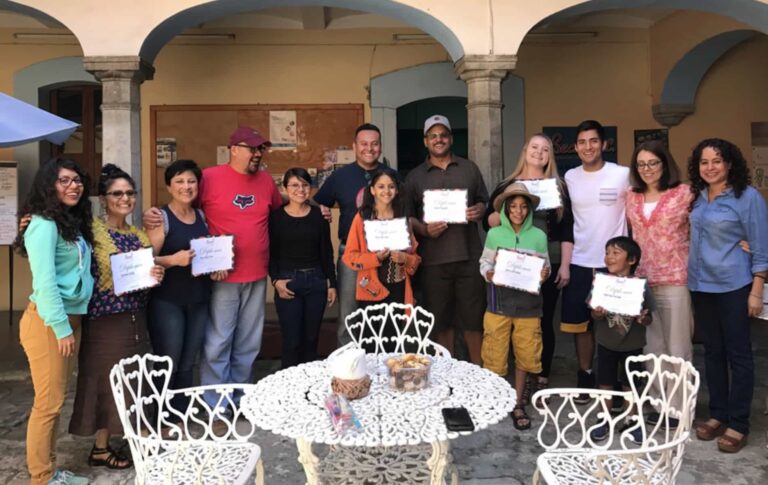
The best way to understand Oaxacan food is to make it. Good cooking classes take you to a market to shop for ingredients, then walk you through traditional dishes — mole, tlayudas, salsa. You leave with recipes and a much deeper appreciation for what you’ve been eating.
👉 Oaxaca City Cooking Classes: Cook Like a Local
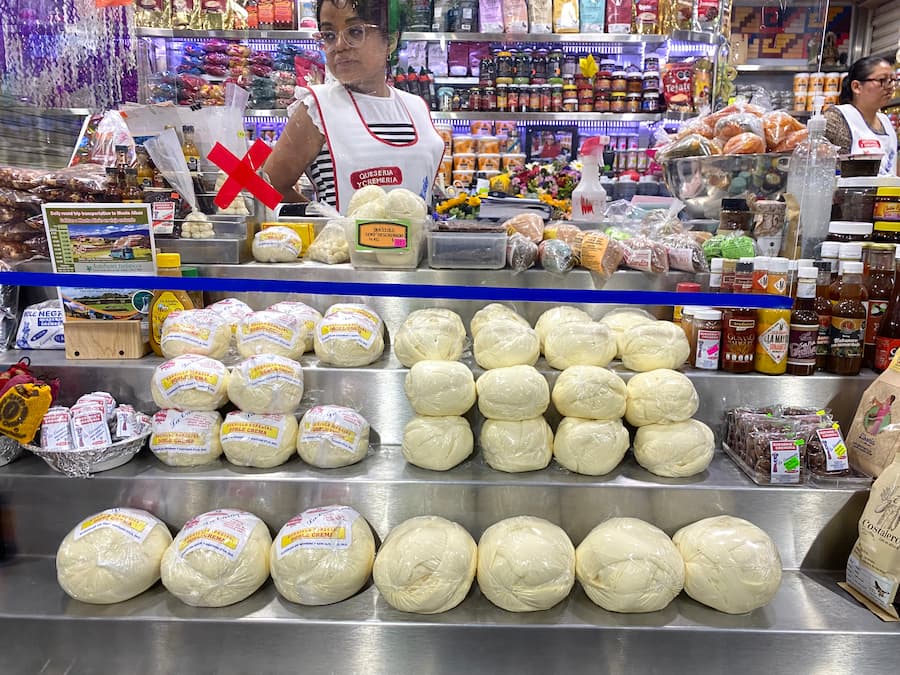
14. Try Quesillo at the Market
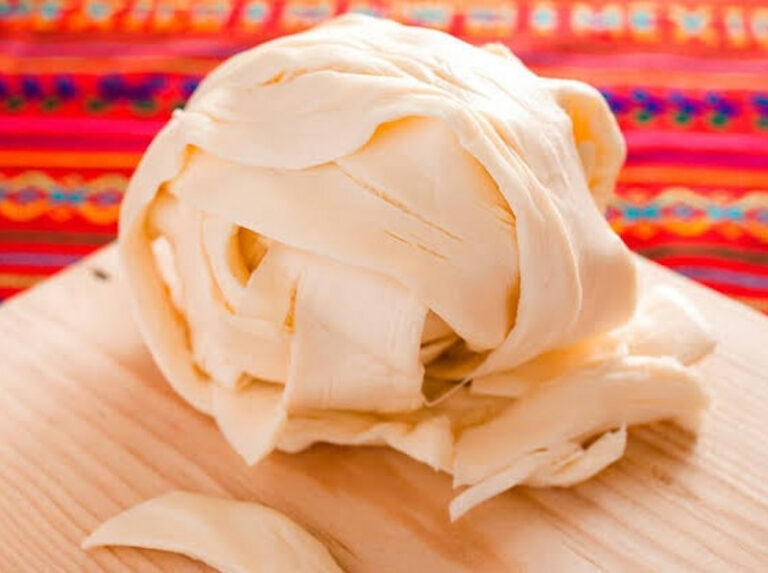
Buy a ball of fresh quesillo at Mercado Benito Juárez and pull it apart by hand as you walk. Simple, fresh, and completely addictive. The best version of Oaxaca’s most famous cheese.
👉 Oaxaca Cheese (Quesillo): How It’s Made and Why Everyone Loves It
15. Eat Tamales Oaxaqueños
Banana leaf-wrapped tamales filled with mole negro and chicken — softer and more complex than versions elsewhere in Mexico. Best eaten in the morning with atole or coffee from a market stall.
16. Drink Tejate
The pre-Hispanic drink of the gods — a cold, frothy blend of corn masa, cacao, and mamey seed. Served from large clay bowls by vendors around the Zócalo, particularly on warm afternoons. Unlike anything else you’ll drink.
👉 Tejate: Oaxaca’s best drink doesn’t get enough love
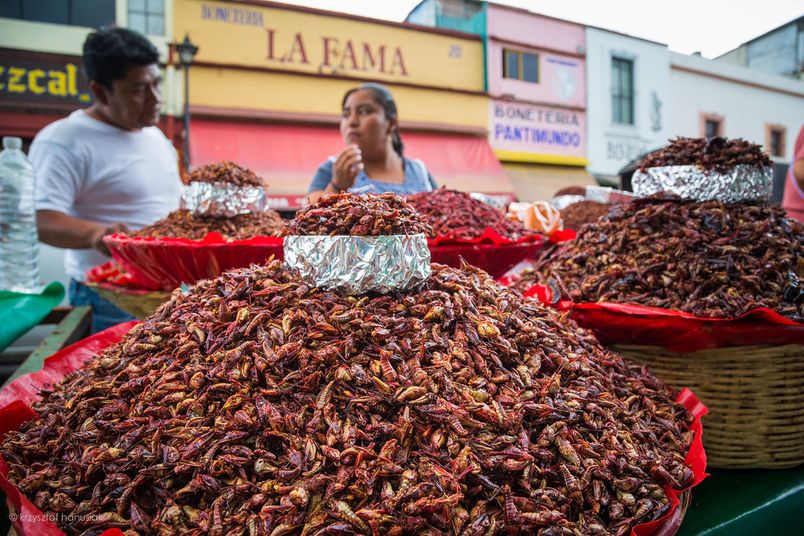
17. Try Chapulines (Grasshoppers)
Toasted grasshoppers seasoned with lime, salt, and chili. A staple snack in Oaxaca, sold in enormous piles at market stalls and scattered over tlayudas and quesadillas. Try a small handful at Mercado Benito Juárez first.
18. Eat Nieve at the Basílica de la Soledad
A small courtyard in front of the Basílica de la Soledad has around ten nieve (Oaxacan sorbet and ice cream) stalls. Flavors include tuna (prickly pear), mezcal, rose petal, and corn. A perfect afternoon stop.

19. Sip Mezcal at a Proper Mezcalería
In Situ on Morelos is the most serious mezcal bar in the city — extraordinary selection, knowledgeable staff, no cocktails. Mezcalería Los Amantes near the Zócalo is more accessible. Txalaparta is excellent for a relaxed evening.
Drink it from a copita, never shoot it, and try it with orange and sal de gusano.
👉 A Beginner’s Guide to Mezcal: Oaxaca’s Smoky Spirit
20. Comida Corrida at a Market Comedor
The best value meal of the day in Oaxaca. A set lunch at a market comedor — soup, main course with rice and beans, tortillas, and agua fresca — for 60–90 pesos. Mercado de la Merced has some of the best.

Mezcal and Day Trips
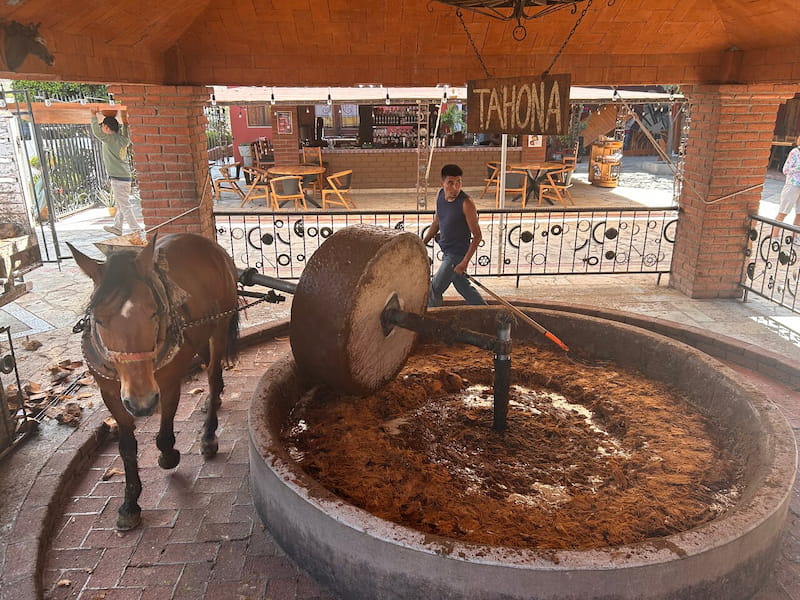
21. Tour a Mezcal Distillery in Santiago Matatlán
Known as the World Capital of Mezcal, Santiago Matatlán is 40 minutes east of Oaxaca City. Visit a working palenque, watch the roasting pit, meet a maestro mezcalero, and taste batches that never leave the state.
⭐️ 5 Star — The Mezcal Journey
22. Visit the Tlacolula Sunday Market
One of Oaxaca’s oldest and best weekly markets, an hour east of the city. Famous for barbacoa de borrego cooked in underground pits overnight, excellent bread, grilled meats, and a sprawling tianguis selling everything. Combine with Hierve el Agua or Mitla for a full day.
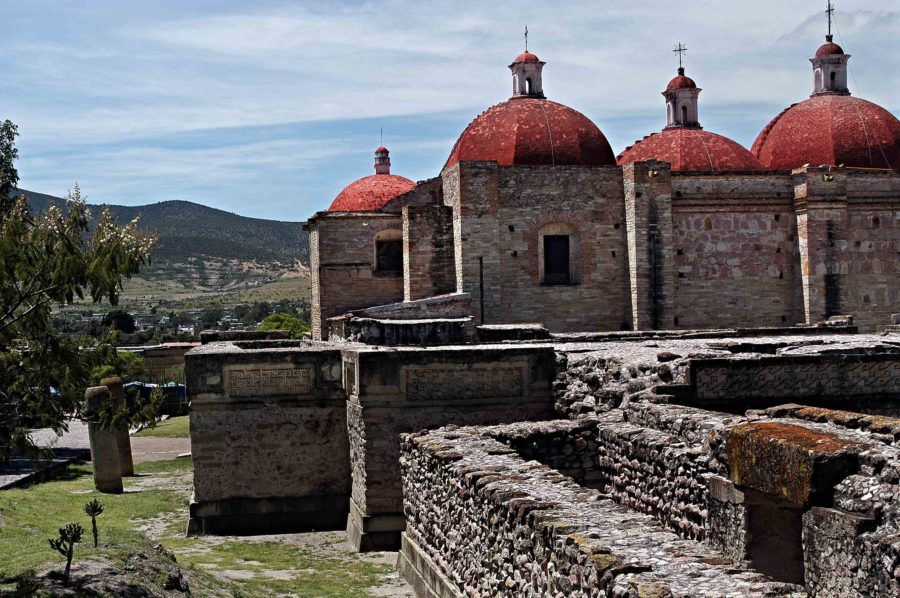
23. Mitla — Zapotec Stonework
Where Monte Albán is Zapotec power, Mitla is Zapotec precision. The geometric stone mosaics at Mitla — assembled without mortar from thousands of individual cut pieces — are unique in all of Mesoamerica. 45 minutes from Oaxaca City, usually combined with Hierve el Agua.
24. El Árbol del Tule
The widest tree in the world — a 2,000-year-old Montezuma cypress in the small town of Santa María del Tule, 10km from Oaxaca City. A genuinely impressive natural landmark and an easy stop on the way to Hierve el Agua or Mitla.
👉 El Tule, Oaxaca: The Biggest Tree Trunk In The World

25. Teotitlán del Valle — Zapotec Rug Weaving
30 minutes east of the city, this Zapotec village has been weaving rugs by hand for over 2,000 years using natural dyes made from cochineal insects, indigo, and marigolds. Walk into any family workshop for a free demonstration and see the full process from raw wool to finished rug.
⭐️ 5 Star — Oaxaca Wool Textiles Experience, Private Tour
👉 Teotitlán del Valle: Complete Visitor Guide
Art, Culture, and Craft
26. Alebrijes — San Martín Tilcajete
The village where Oaxaca’s famous painted wooden fantasy creatures are made. Watch carvers at work, paint your own, and buy directly from the families who make them. 30 minutes from the city.
27. Oaxacan Pottery Villages
Three distinct pottery traditions each in their own village: barro negro (black clay) in San Bartolo Coyotepec, red clay cookware in San Marcos Tlapazola, and green-glazed pottery in Santa María Atzompa. All within 30 minutes of the city.
👉 Oaxacan Pottery: A Guide to Black Clay, Red Clay, and Where to See It Made
28. Mercado de Artesanías
The dedicated handicraft market a few blocks from the Zócalo — the best place to see the full breadth of Oaxacan craft in one visit. Textiles, alebrijes, pottery, rugs, jewelry, and leather goods.
29. Free Walking Tour
The best introduction to Oaxaca City for first-time visitors. Local guides cover history, architecture, food culture, and the political murals that cover the city’s walls. Tip what you can afford — these guides are excellent.
👉 The Only 3 Hostels In Oaxaca City I Would Stay At
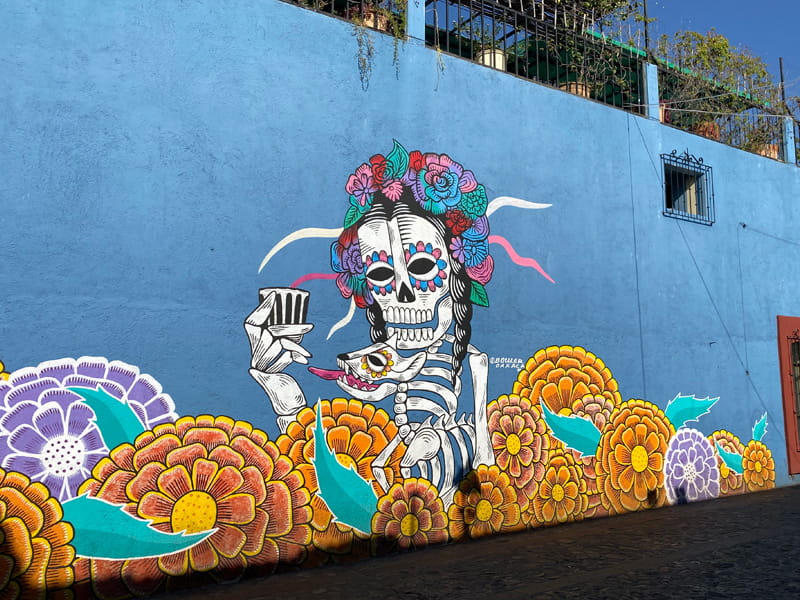
30. Explore Jalatlaco
A colonial neighborhood five minutes from the Zócalo with cobblestone streets, colorful painted walls, boutique cafés, and an atmosphere completely different from the busier Centro. One of the most photographed neighborhoods in Oaxaca — and genuinely beautiful to walk through.
31. Street Art — Jalatlaco, Xochimilco, and Centro
Oaxaca has an extraordinary street art tradition with deep political roots. The murals in Jalatlaco and Xochimilco especially are worth seeking out — ambitious, technically excellent, and directly connected to the city’s history of protest and indigenous pride.
👉 Jalatlaco: The best Street Art in Oaxaca City.
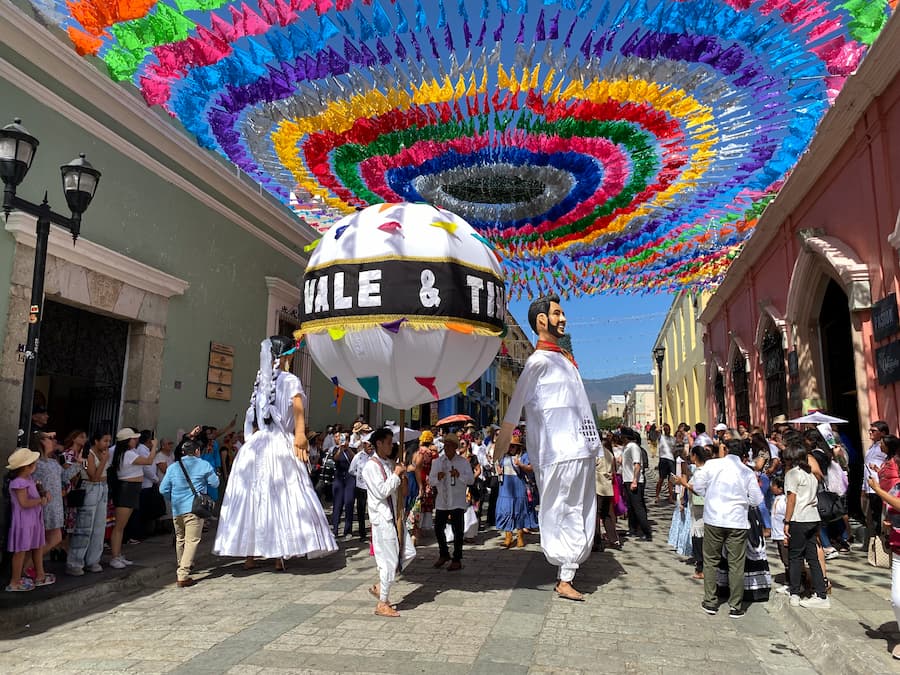
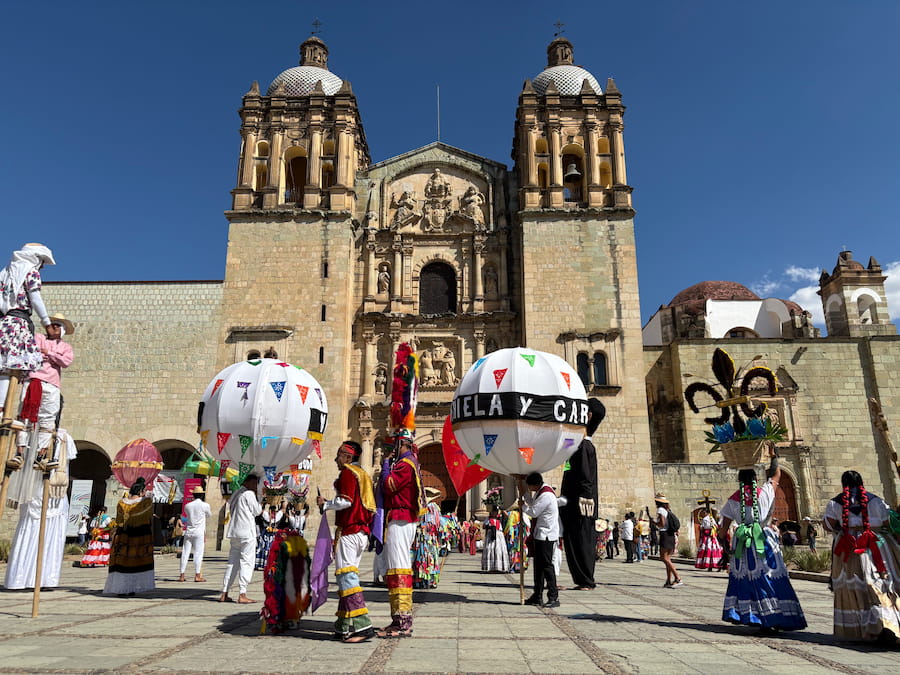
32. Watch a Calenda (Wedding Parade)
Street processions with giant puppet figures (monos), brass bands, and dancers — most commonly leaving Santo Domingo church on Saturday and Sunday afternoons. Entirely public, entirely free, and completely joyful. Jump in and dance — no invitation required.
👉 Oaxaca’s Famous Street Parades: When and Where to see them
33. Lucha Libre on Sundays
High-energy Mexican wrestling at Arena Oaxaca — masked wrestlers, theatrical drama, passionate crowds, and cold beers. A Sunday night tradition that’s as much performance as sport and genuinely great fun.
34. Temazcal Ceremony
A pre-Hispanic steam ceremony in a clay sweat lodge, led by a ritual guide — herbs, heat, meditation, and a genuine indigenous healing tradition. Available through various operators in the city. One of the more memorable and unusual experiences you can have in Oaxaca.
35. Noche de Rábanos (December 23)
Oaxacan artisans carve elaborate scenes — nativity scenes, historical events, mythological figures — entirely from giant radishes, displayed in the Zócalo. Dating back to 1897 and completely unique to Oaxaca. Quirky, creative, and genuinely wonderful.
Museums
36. Rufino Tamayo Museum of Pre-Hispanic Art
A world-class collection of pre-Columbian art donated by Oaxaca’s most famous painter, housed in a beautiful colonial building. One of the best pre-Hispanic art collections in Mexico. Don’t skip it.
37. Oaxaca Cultural Museum (Museo de las Culturas de Oaxaca)
Inside the former Santo Domingo convent — an extraordinary building in its own right. The collection covers Oaxacan history from pre-Hispanic cultures through independence. Included with Santo Domingo entry.
38. Museo Textil de Oaxaca (Textile Museum)
Free entry and genuinely excellent — showcasing traditional weaving, natural dyes, and embroidery from across Oaxaca’s sixteen indigenous communities. Good context before visiting Teotitlán del Valle.
39. MACO — Contemporary Art Museum
Modern and contemporary art in a beautifully restored colonial building. Rotating exhibitions from Oaxacan and international artists. Free entry.
40. Museo de los Pintores Oaxaqueños
Dedicated to the painters Oaxaca has produced — Rufino Tamayo, Francisco Toledo, Rodolfo Morales, and others. Small but excellent, with a beautifully preserved 17th-century facade.
Outdoor Adventures and Active Experiences
41. Hike the Pueblos Mancomunados — Sierra Norte
Eight Zapotec mountain villages in the Sierra Norte, connected by trails through cloud forest, past peaks, and through valleys with extraordinary biodiversity. Oaxaca’s best hiking and one of the most impressive examples of community ecotourism in Mexico.
⭐️ 5 Star – Hiking in the Sierra Norte of Oaxaca
42. Mountain Bike Sierra Norte
The same mountain terrain as above — on a bike. Trails suited to different ability levels, with dramatic views and genuine wilderness. One of the best adventure activities available from Oaxaca City.
43. Cerro del Fortín Viewpoint
The hill above the city where the Guelaguetza auditorium sits. Walk or taxi up for a 360-degree view over the Oaxacan valleys — particularly good at sunset. Free.
44. Bicycle Ride Through the City at Nigh
Mundo Ceiba A.C. runs a nightly group bike ride through Oaxaca City — departing at 9pm, 150 pesos with bike included. A completely different way to see the city and genuinely good fun.
Nightlife and Evening Experiences
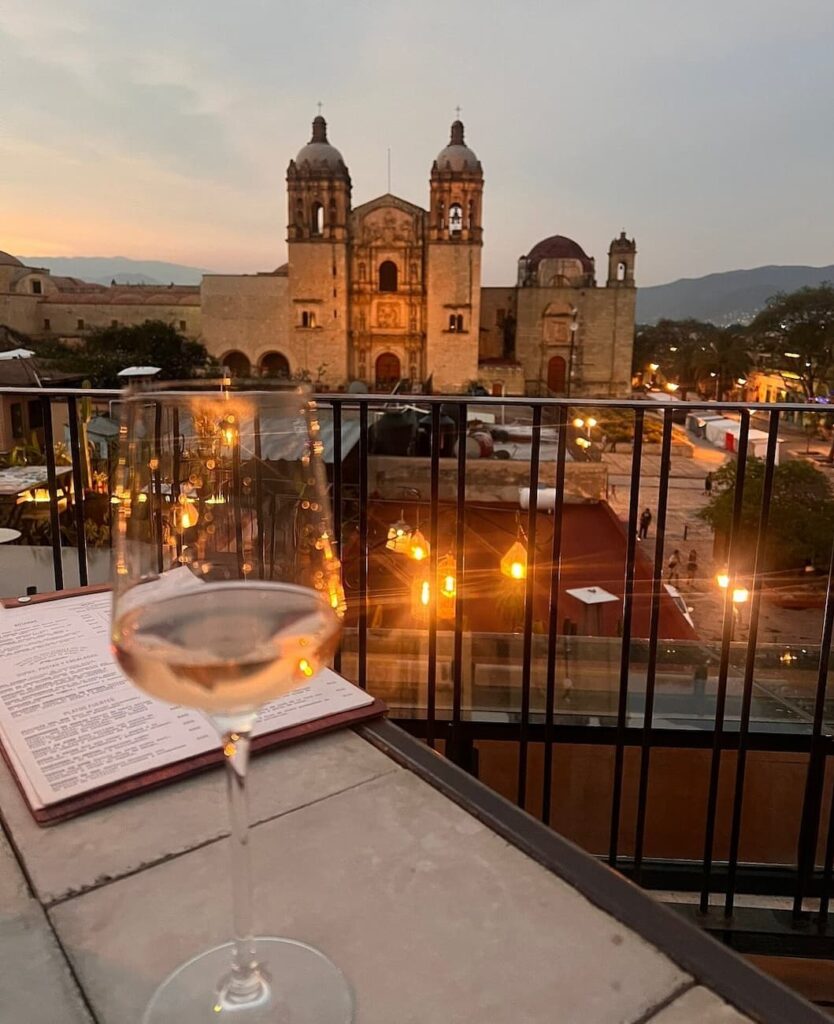
45. Rooftop Bar at Santo Domingo
Any of the rooftop bars facing Santo Domingo church — the view of the baroque facade lit up at night, with the mountains behind, is one of Oaxaca’s great evening experiences. Order a mezcal and stay until it gets dark.
46. Live Music — Txalaparta, La Nueva Babel, Tentación
Oaxaca has a good live music scene concentrated in a handful of bars near the Zócalo and on Alcalá. Txalaparta is the most consistent — jazz, blues, and local acts most evenings.
47. Guelaguetza Dance Show at Quinta Real
Missed July? Hotel Quinta Real hosts a Guelaguetza dinner show every Thursday evening — traditional dances, regional food, and mezcal in a beautiful colonial courtyard. Around $1,015 pesos (US$50). Good alternative if you can’t make the July festival.
48. Oaxacan Craft Beer
The craft beer scene in Oaxaca is small but good. Oaxaca Brewing Co. produces ales and stouts using local ingredients including agave and chili. A worthwhile contrast to an evening of mezcal.

49. Watch Baseball or Football
The Guerreros de Oaxaca play at the Estadio Eduardo Vasconcelos in Centro — a fun, relaxed evening out with local families, cheap beer, and plenty of atmosphere. Check the schedule when you arrive.
50. Macedonio Alcalá Theater
A perfectly restored 19th-century theater a block from the Zócalo — ballet, classical music, contemporary performances. Check the program when you arrive. Even if nothing is on, the building itself is worth a look through the doors.
Planning Your Time
2 days in Oaxaca: Zócalo and Santo Domingo, Mercado 20 de Noviembre for lunch, Jalatlaco, Benito Juárez market, and at least one evening tlayuda.
3–4 days: Add Monte Albán (half day), a cooking class, and an evening mezcal tasting.
5–7 days: Add Hierve el Agua + Mitla full day, Teotitlán del Valle, a pottery village, and the Tlacolula Sunday market if timing works.
A week or more: All of the above plus the Sierra Norte mountains and 2–3 nights on the coast.