Guelaguetza 2026: The Complete Guide to Oaxaca’s Greatest Festival
The Guelaguetza is my favorite time of year in Oaxaca — and after being here 11 years,I say that without any hesitation.
Every July, this city transforms. The streets fill with color and noise, families from across the state pour in, and Oaxaca’s indigenous communities put on the most extraordinary display of cultural pride you’ll find anywhere in Mexico. It’s loud, joyful, deeply moving, and unlike anything else.
Whether you’re here for the main auditorium shows, the street parades, the food fairs, or the more intimate pueblo celebrations outside the city — this guide covers everything you need to know to experience it properly, including how to get tickets.
👉 Follow Johnny in Oaxaca on Instagram 😎
Guelaguetza 2026 Dates — Quick Reference
Main shows (Los Lunes del Cerro):
- Monday July 20, 2026 — 10:00am and 5:00pm
- Monday July 27, 2026 — 10:00am and 5:00pm
Location: Auditorio Guelaguetza, Cerro del Fortín
Festival season: Events run throughout July, with the full program building from early in the month toward those two Mondays.
Don’t plan your trip around just the main show days. The whole month is worth being here for.
👉 5 Days in Oaxaca City: A Practical Itinerary
What Is the Guelaguetza?
The word guelaguetza comes from the Zapotec language and means offering — or more precisely, a system of reciprocal exchange where communities share what they have and help one another in return. It’s a concept that has defined Oaxacan social life for centuries, and the festival is its most visible expression.
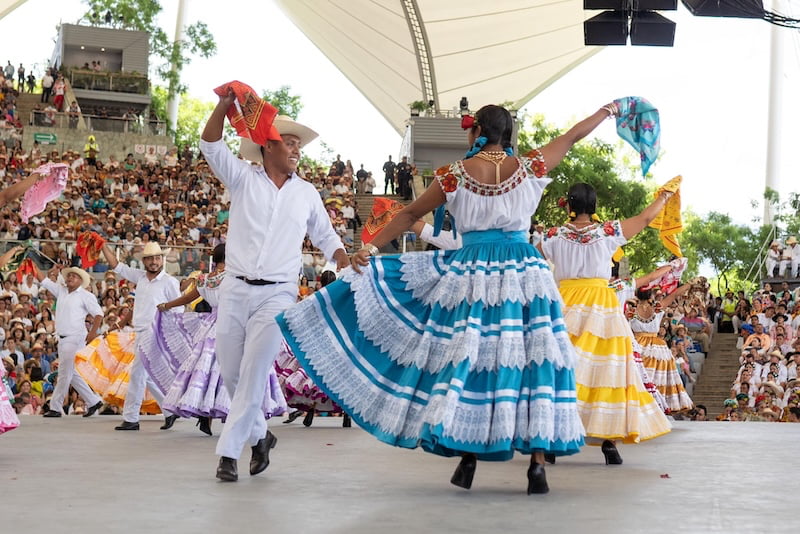
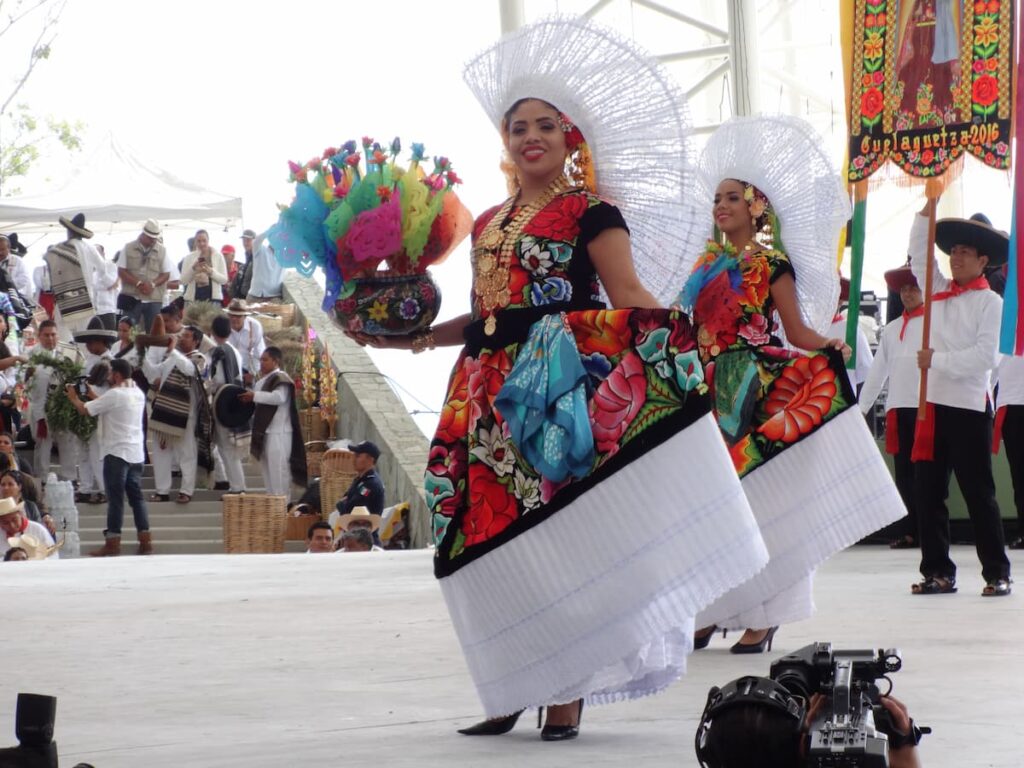
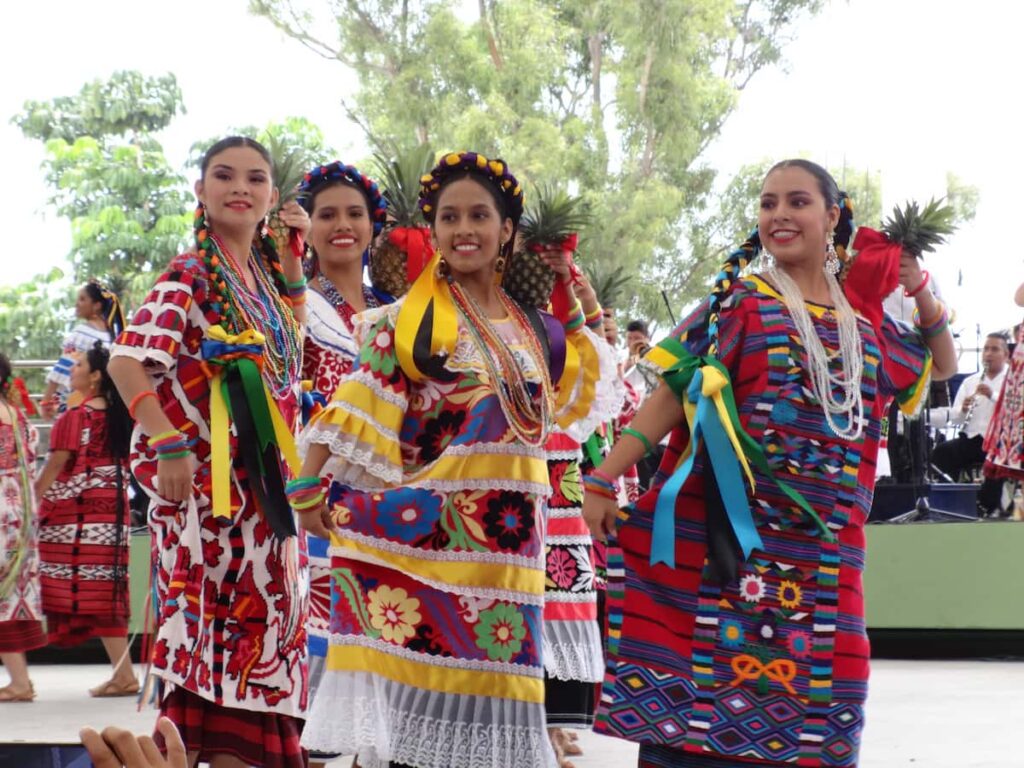
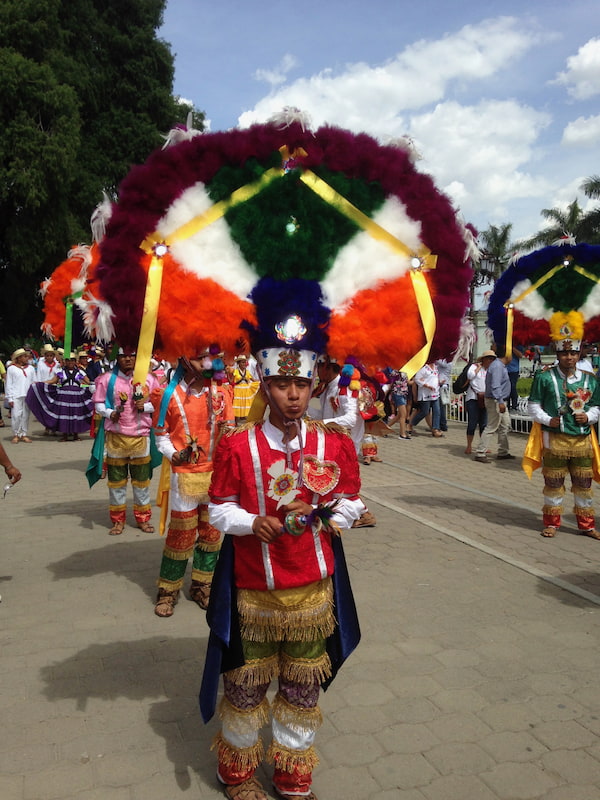
Over a dozen dance delegations from Oaxaca’s eight regions perform traditional dances in full ceremonial dress — each one telling the story of that community’s identity, history, and relationship with the land. The eight regions represented are the Valles Centrales, Sierra Norte, Sierra Sur, Cañada, Papaloapan, Mixteca, Costa, and Istmo — each with its own language, musical tradition, costume logic, and dance vocabulary.
One of the most memorable parts of the performance is the gift throwing. Delegations throw offerings into the crowd — pineapples and ears of corn from Papaloapan, small bottles of mezcal and mole paste from the Istmo, hand-woven textiles from the Mixteca. Section A is closest and catches the most. It’s not just spectacle — it’s the offering spirit of the festival made physical.
Over 300,000 people attend each year, making it the largest indigenous cultural festival in Mexico.
👉 10 Best Day Trips from Oaxaca City (With And Without A Tour)
A Quick History
Guelaguetza traces back to pre-Hispanic times, when Zapotec communities climbed Cerro del Fortín to honor Centéotl, the corn goddess, with offerings, dance, and feasts. When the Spanish arrived in the 16th century, they merged these ceremonies with the Catholic feast of Our Lady of Mount Carmel on July 16 — and the two traditions slowly became one.
The modern festival as we know it began in 1932, organized as part of Oaxaca City’s 400th anniversary and as a cultural response to the devastating 1931 earthquake that had shaken the region. Communities from all eight regions came together, and it’s been growing ever since.
The Main Events — What’s On and When
Convites — The Warm-Up Parades
Dates: July 1, 10 and 11 — from 6:00pm Route: From La Cruz de Piedra to the Zócalo
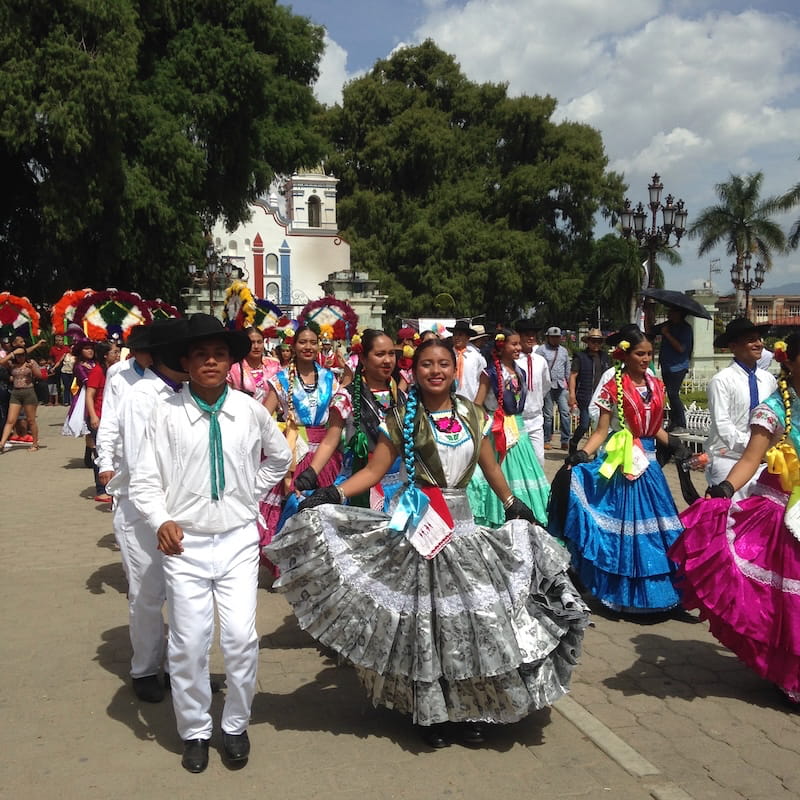
These pre-festival parades are informal, energetic, and excellent for photography. They’re a warm-up act for the main event but genuinely worth attending in their own right — less crowded than the big parade days and full of spontaneous energy. Arrive early to find a good spot along the route.
Desfile de Delegaciones — The Big Saturday Parade
Dates: Saturdays July 18 and 25 Route: From Fuente de las 8 Regiones on Reforma, past El Llano Park, ending at the Zócalo
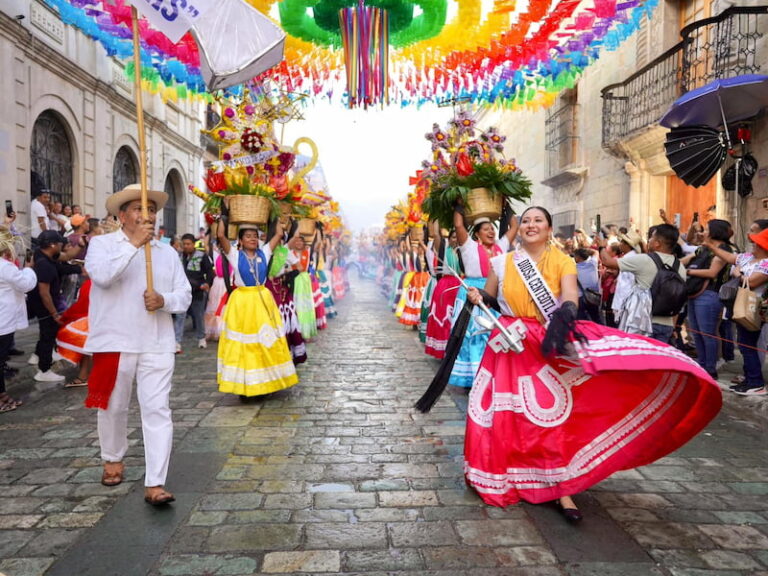
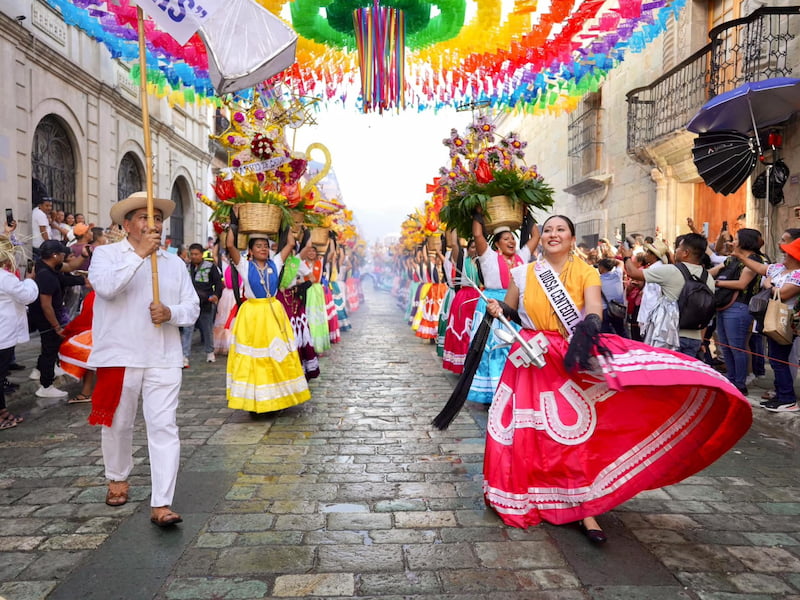
This is the best free event of the whole festival. All the Guelaguetza dance delegations march through the city in full costume, dancing as they go and throwing gifts into the crowd. The atmosphere in the city center is at its absolute peak on these days.
If you want more space to move and still see everything, the stretch around El Llano Park works well. The Zócalo end gets very packed but the energy there is electric.
Donají, La Leyenda — The Sunday Ballet
Dates: Sundays July 19 and 26 — 7:00pm Location: Guelaguetza Auditorium Tickets: Around 400–450 pesos (approximately US$20)
An open-air ballet at the auditorium telling the story of Donají — a Zapotec princess whose legend is woven into the history of Oaxaca. Performed entirely in Spanish with traditional music and elaborate costumes. A good way to see the auditorium if you can’t get Guelaguetza tickets, and genuinely worth watching in its own right.
Los Lunes del Cerro — The Main Event
Dates: Mondays July 20 and 27 — 10:00am and 5:00pm Location: Guelaguetza Auditorium, Cerro del Fortín
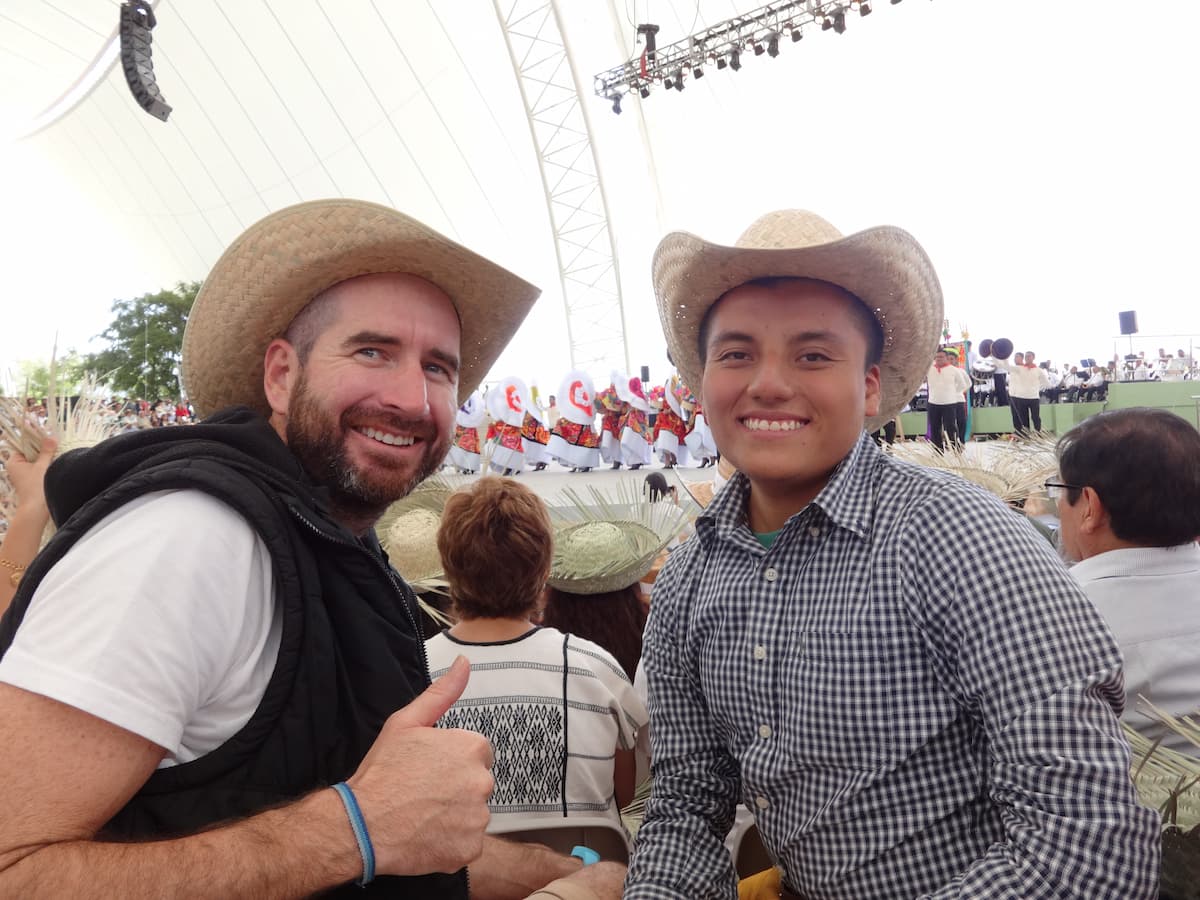
This is the heart of the Guelaguetza. Around 13 dance groups perform on the main stage across each session — highlights include the iconic Flor de Piña (Pineapple Flower dance from the Papaloapan region), La Danza de la Pluma (Feather Dance from the Valles Centrales), and performances from all eight regions.
Morning vs afternoon session: Both feature the same delegations. The morning show (10am) has stronger light for photos. The afternoon show (5pm) tends to have more energy in the crowd and a more atmospheric finish as the light drops. Either is excellent.
Practical tips for the auditorium:
- Arrive at least one hour early — the uphill walk to the auditorium through crowds takes longer than you expect
- Bring a small cushion
- The venue is open air with strong sun exposure in the morning — hat and sunscreen are essential
- July is rainy season — bring a light rain jacket or have one accessible
- There’s security screening at the entrance — factor that into your timing
👉 40+ Oaxaca Travel FAQ’s Answered for First-Time Visitors
How to Get Guelaguetza Tickets
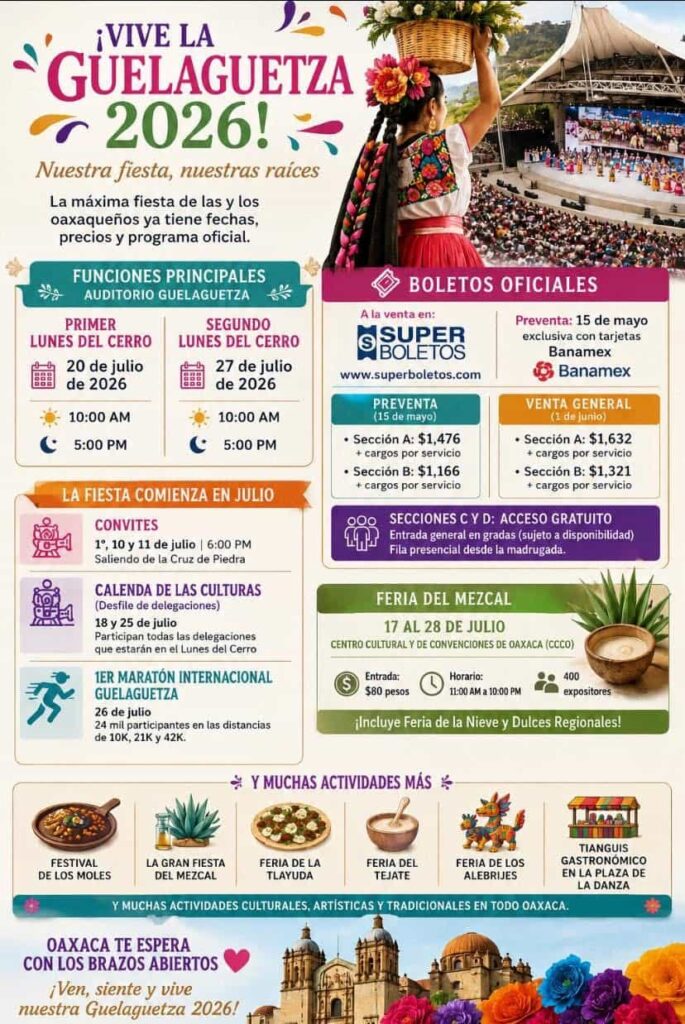
Tickets for sections A and B go on sale via SuperBoletos in mid May for pre-sale and June 1st official sale 2026. They sell out extremely fast — sometimes within minutes of going live. Maximum purchase is two tickets per person.
Section A: Around 1,632 MXN (approximately US$90) — closest to the stage, most in range for gift throwing Section B: Around 1,321 MXN (approximately US$75) — still excellent views
In person: The Secretaría de Turismo del Estado de Oaxaca at Av. Juárez No. 703, Centro (Parque Llano) also sells tickets on June 1st, but these sell out on the day too.
Through your hotel: Some of the larger hotels — like Quinta Real — hold a small allocation of tickets. Worth asking when you check in or before you arrive.
Scalpers and Facebook groups: Resold tickets do appear in local Facebook groups. Be aware that authenticity can’t be guaranteed and prices will be significantly above face value. If you go this route, meet in a public place and inspect the ticket carefully before paying.
Sections C and D — free: That’s right, FREE. First come, first served on the day. People queue from 4–5am for the 10am show. Bring food, water, something to sit on, and patience. The view is further back but the atmosphere in the free sections is genuinely great.
👉 50 Best Things To Do In Oaxaca City
Can You Experience the Guelaguetza for Free?
Yes — and some of the best experiences don’t cost anything.
The Saturday parades (Desfile de Delegaciones on July 18 and 25) are completely free and arguably the most accessible way to see all the delegations up close, outside the formality of the auditorium.
The Guelaguetza Popular and Guelaguetza Magisterial are the community and teachers’ union alternative celebrations — a parallel festival created more than 15 years ago as a protest against the commercialization of the official event. These are free, public, and for many people feel more authentic than the ticketed shows.
Key free dates in 2026:
- July 19 at 3:00pm — Convite Magisterial, from Templo del Carmen Alto to the Zócalo
- July 20 at 3:00pm — Calenda Magisterial along the same route
- July 21 at 9:00am — Guelaguetza Magisterial y Popular at the ITO Stadium
- July 27 at 1:00pm — Free community celebration at El Cerrito Archaeological Zone in Zaachila
The ITO stadium show on July 21 in particular is worth going to — full delegations, full performances, no ticket required.
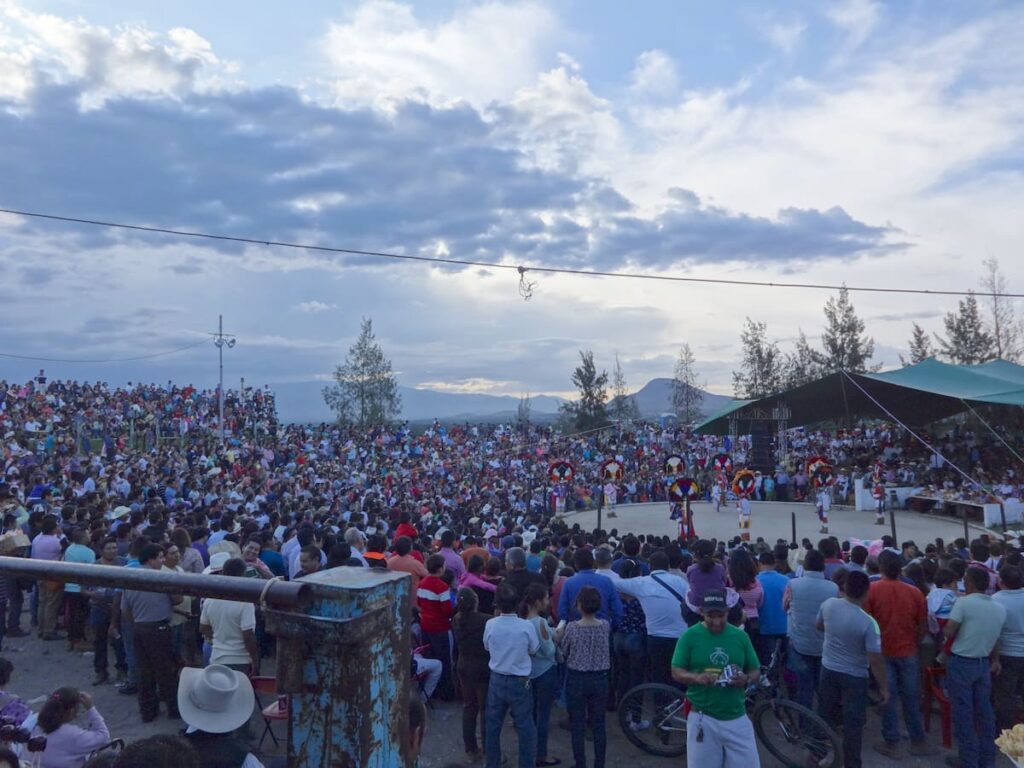
The Pueblo Celebrations — Often Better Than the Auditorium
The smaller towns around Oaxaca host their own Guelaguetza shows, often with the same dancers performing in much more intimate settings. Less production, more community — and for many visitors, these end up being the most memorable part of the whole festival.
San Antonino Castillo Velasco — hilltop stage, incredible food stalls, warm and genuinely local atmosphere. One of the best pueblo celebrations near the city.
El Tule — home of the world’s widest tree and a festive community celebration worth combining with a visit to the famous árbol.
Mitla — dance performances combined with mezcal tastings and traditional weaving demonstrations. Great half-day combination.
Zaachila — community Guelaguetza held at El Cerrito archaeological zone. You can find a spot on the grassy hill for free, or pay for a seat closer to the stage.
Cuilápam de Guerrero — features La Danza de la Pluma alongside the stunning ruins of the ex-convent. A beautiful setting.
Ocotlán — parade at 1:30pm in the main square followed by a Guelaguetza performance at Parque Los Sabinos.
Food, Mezcal & Artisan Fairs
Food, Mezcal & Artisan Fairs
The Guelaguetza isn’t just dance — July is one of the best months of the year for food events in Oaxaca.
Feria Internacional del Mezcal — July 17–28, 11am–10pm, 80 pesos (US$4) entry. The biggest mezcal event of the year. Producers from across the state pour their best — small batch, artisanal, and single-village mezcals you won’t find in shops. Held at the Oaxaca Cultural and Convention Center in Santa Lucía del Camino, with shuttle support from the city center on busy days.
Festival of Moles — July 24–25. All seven of Oaxaca’s famous moles in one place. For food lovers this is genuinely essential.
Tejate and Tamales Festival — July 29-30. Traditional pre-Hispanic drinks alongside classic Oaxacan bites.
Tlayuda Festival — held in San Antonio de la Cal, about 20 minutes south of the city. All about Oaxaca’s most iconic street food.
Artesanal Fair — July 17–28. Traditional Oaxacan textiles, clothing, and crafts from producers across the state.
👉 Oaxacan Mole Explained: The 7 Moles, Where They Come From, and Why Locals Care

Practical Planning — What You Need to Know
When to Book Accommodation
Book early. Hotels in Oaxaca City sell out completely for the main show weekends (July 20 and 27), and rates double or triple from normal. Aim to have accommodation confirmed by April at the latest — earlier if possible.
If the city center is fully booked, consider basing yourself in Tlacolula (30km east, 45 minutes by bus) or Mitla, both of which have guesthouses and connect easily to the city.
Best neighborhoods to stay: Centro Histórico is the most convenient — walking distance to everything. Jalatlaco is quieter with excellent boutique guesthouses and only five minutes from the Zócalo.
Top Rated Hotels in Oaxaca City
⭐️ 5 Star – Quinta Real Oaxaca
⭐️ 4 Star – NaNa Vida Hotel Oaxaca
⭐️ 3 Star – Las Mariposas Hotel & Studios
What to Wear and Bring
July is Oaxaca’s rainy season. Days are warm and often sunny in the morning, with afternoon or evening storms common. The combination means:
- Light, breathable clothing for the heat
- A hat and sunscreen — the auditorium has minimal shade
- A light rain jacket or small umbrella that fits in your bag
- Comfortable shoes — you’ll walk more than you expect
- A small cushion if you have free auditorium seating
Getting to the Auditorium
The Auditorio Guelaguetza is on Cerro del Fortín, uphill from the city center. Options:
- Taxi — most practical. Agree on the fare upfront. Expect higher prices on show days due to demand.
- Walk — possible from Centro, but it’s a significant uphill climb and the road gets very crowded. Only attempt it if you’re comfortable with a 30–40 minute walk on a busy route.
- There’s no regular shuttle but taxis are plentiful in the city center on show days.
July Weather
Warm days around 25–28°C (77–82°F), cooler evenings, and regular afternoon rain showers. The mornings are usually clear and the best time for outdoor events. Carry rain protection but don’t let it put you off — the rains rarely last long and the city looks extraordinary in July with the valleys fully green.

FAQ’s
Do I need tickets to experience the Guelaguetza? No. The Saturday parades, Convites, Guelaguetza Popular, and pueblo celebrations are all free. Tickets are only required for the official auditorium shows in sections A and B.
Which is better — the morning or afternoon show? Both feature the same delegations. Morning has better light for photos. Afternoon has more atmosphere and a more dramatic finish. If you can only go once, the afternoon show edges it.
Is the Guelaguetza suitable for children? Yes — it’s a family festival at its core. The parades especially are great for kids. The free section queue on show days requires patience, so younger children may struggle with the early start.
How long does the main show last? Approximately 3–4 hours per session.
Is it worth going if I can’t get auditorium tickets? Absolutely. The parades, Guelaguetza Popular, and pueblo celebrations offer an equally compelling experience — and many locals would argue a more authentic one.
How far in advance should I book flights and hotels? For the main show weekends, 4–6 months in advance. Accommodation especially fills fast, and prices rise significantly as July approaches.
👉 Top 5 Street Foods in Oaxaca You Have To Try!
Why the Guelaguetza Is Worth Organising Your Trip Around
Most festivals are worth attending. The Guelaguetza is worth organizing your entire trip around.
It’s the moment when Oaxaca’s indigenous communities — 16 distinct groups across eight regions — step forward and say: this is who we are, this is where we come from, and we’re sharing it with you. The offering spirit behind it is real. You feel it in the way dancers throw gifts into the crowd, in the way pueblo communities open their celebrations to strangers, in the way a city of a million people comes together and, for two weeks every July, becomes the most alive place in Mexico.
Come with a loose plan, stay open to where the day takes you, and you’ll understand why people come back year after year.
Also read: Monte Albán: Everything You Need to Know Before You Visit and 10 Traditional Oaxacan Foods You Must Try