Bushfires in Oaxaca: A Growing Threat to Forests and Communities
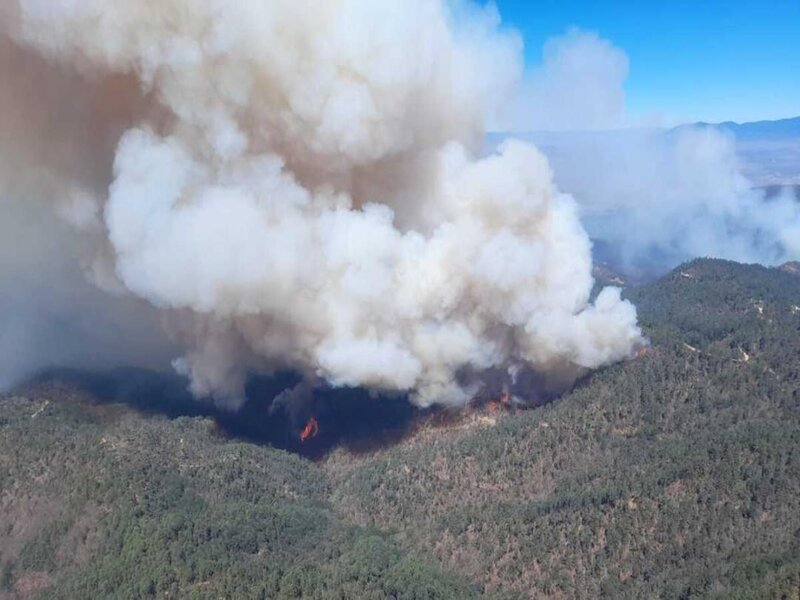
As the hot, dry season approaches in 2026, Oaxaca is once again bracing for bushfires – also known as forest fires—that have become a recurring and increasingly serious threat. Driven by prolonged drought, rising temperatures, and human activity, these fires continue to damage ecosystems, strain emergency resources, and threaten rural livelihoods across Oaxaca.
While last year’s data shows some improvement compared to the extreme fire season of 2024, officials and environmental groups warn that the underlying risks remain firmly in place.
👉 Oaxaca City water shortage: It’s getting to breaking point.
The Scale of Fires in 2025
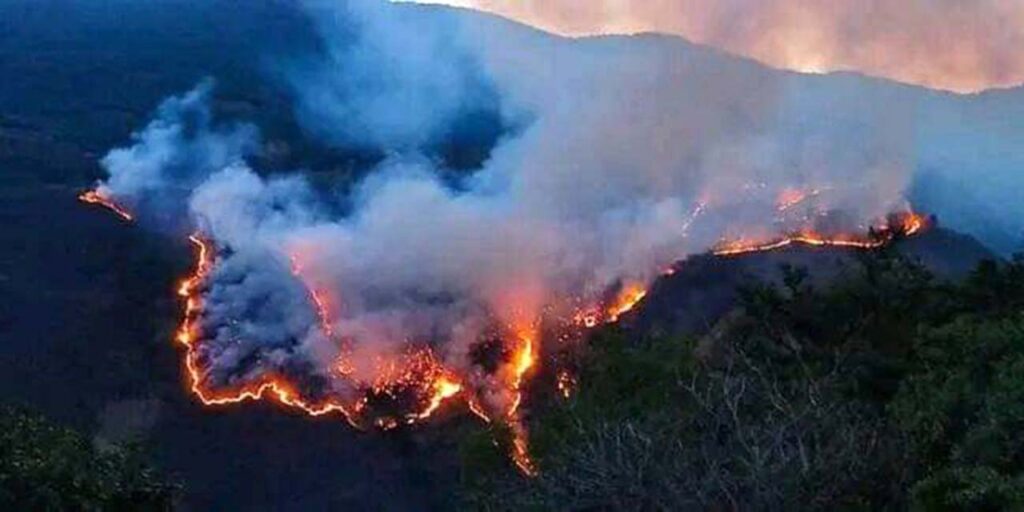
According to Mexico’s forestry agency CONAFOR, Oaxaca closed the 2025 fire season with 196 recorded forest fires, placing it among the states with the highest number of incidents nationwide. These fires affected approximately 35,990 hectares of land across Oaxaca.
While the number of fires and the total area burned were significantly lower than in 2024, the figures are still concerning. In 2024, Oaxaca recorded around 270 fires that burned more than 160,000 hectares, making it one of the most destructive fire seasons in recent years. The reduction in 2025 suggests improved containment and response—but not a reduced long-term threat.
Seasonal data from 2025 shows:
- January–May 2025: 183 fires and roughly 27,300 hectares affected
- January–April 2025: 121 fires impacting nearly 13,800 hectares
- May 2025 alone: 46 fires burned more than 2,200 hectares
These figures highlight how quickly fire activity can escalate during peak dry months, particularly from March to May.
Causes and Contributing Factors
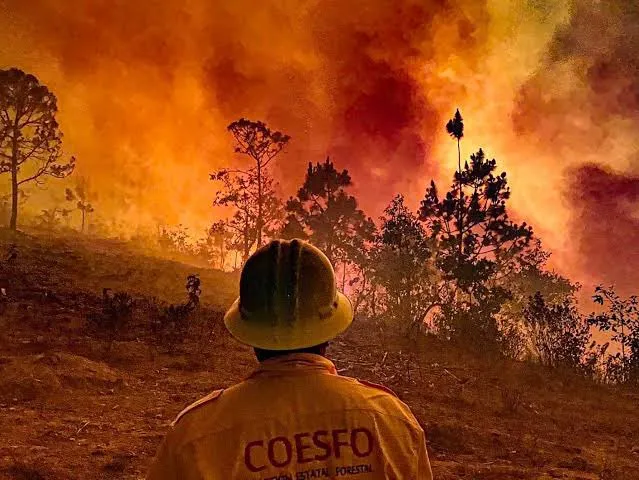
As in previous years, the majority of Oaxaca’s bushfires are human-caused. Uncontrolled agricultural burning remains one of the leading triggers, often linked to land clearing for crops or cattle grazing. CONAFOR estimates that a significant portion of burned forest land is later converted into agricultural fields or grassland.
Climate conditions further intensify the problem. Oaxaca’s dry season typically runs from January to June, with critically low humidity and reduced water levels in rivers and lakes. By late dry season, vegetation becomes extremely flammable, allowing small fires to spread rapidly—especially when combined with wind.
Systemic challenges also persist. Environmental groups continue to point to limited budgets, understaffed brigades, and insufficient prevention programs in rural regions. Areas such as the Chimalapas and the Central Valleys remain particularly vulnerable due to a combination of dense forest cover and human land use.
Firefighting and Emergency Response
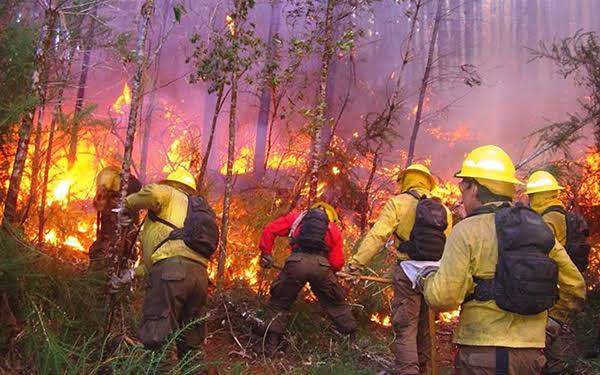
Firefighting efforts in Oaxaca rely heavily on coordination between local brigades, state authorities, and federal agencies. During the 2025 season, hundreds of firefighters were deployed across multiple regions, with aerial water drops used in more severe cases.
However, officials consistently emphasize that prevention is far more effective than suppression. Once a fire escapes initial control, the resources required—personnel, aircraft, equipment, and water—grow rapidly.
Looking Ahead to the 2026 Fire Season
As Oaxaca enters another hot, dry season, authorities are urging residents and rural communities to avoid open burning, report fires early, and adopt alternative land-management practices. Reforestation campaigns and community education programs are also underway, but progress remains uneven.
Although 2025 was less destructive than 2024, the broader trend is clear: bushfires are now a regular and serious part of life in Oaxaca. Without stronger prevention measures, sustainable land use, and increased public awareness, future fire seasons could once again reach critical levels.
For Oaxaca’s forests—and the people who depend on them—the challenge is no longer whether fires will occur, but how well they can be prevented before they spiral out of control.
Where to Stay Updated on Oaxaca Bushfires
To keep track of bushfire developments in Oaxaca as the 2026 dry season unfolds, here are some reliable sources for real-time updates and information:
- Local News: Local Oaxacan newspaper Social Media pages are the best for current and up to date information as it happens. Often with photos and live reports. Facebook pages to follow are Noticias Oaxaca Voz e Imagen, Oaxaca Vial y Noticias al Instante and El Imparcial.
- Comisión Estatal Forestal Oaxaca – Oaxaca State Forestry Commission Facebook page is better for where the fires are and up to date official information.
- Gobierno de Oaxaca: The state government’s website (www.oaxaca.gob.mx) and its social media (Facebook: GobiernoOaxaca) often post fire-related announcements, especially during peak seasons.
- X Platform: Search hashtags like #IncendiosOaxaca or #Oaxaca for real-time posts from locals, journalists, and officials. Accounts like @CONAFOR and @GobOax often share alerts.
These sources can help you monitor fire activity, government responses, and community efforts. For the most immediate updates, local Facebook pages lead the way as fires break out.
Statistics: El Imparcial Oaxaca