Oaxaca Water Shortage: What Visitors Need to Know (2026 Guide)
If you’re staying in a hotel or Airbnb in Oaxaca, you probably won’t notice anything wrong. The shower works. The tap runs. Everything seems fine.
But step outside the tourist bubble and a very different picture emerges.
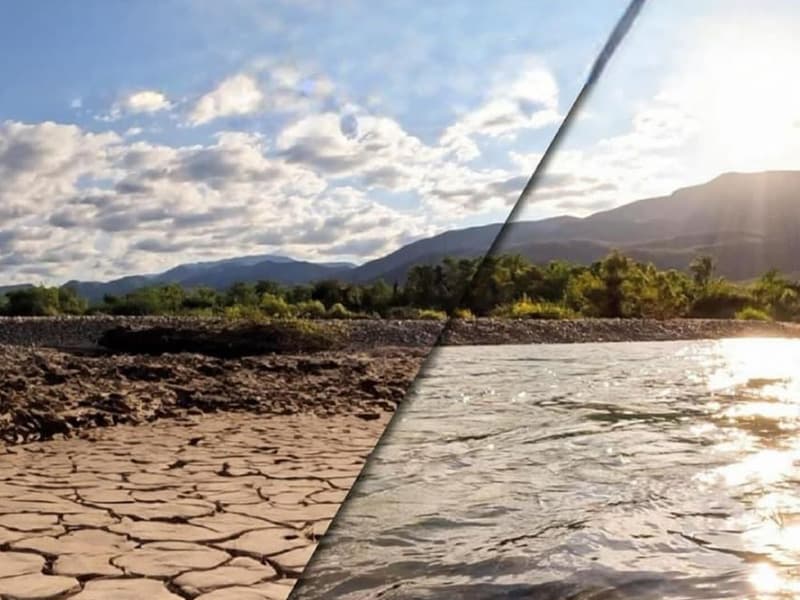
Across many neighborhoods in Oaxaca City, running water arrives once every 30 to 45 days — sometimes less. Hospitals have had to suspend operations. Schools have sent children home. Families plan their entire week around when the next delivery truck might show up.
I’ve lived in Oaxaca City for over ten years and watched this problem get worse every dry season. This post isn’t here to put you off visiting — it’s here to make sure you understand what’s actually happening, and what you can do about it as a visitor.
👉 40+ Oaxaca Travel FAQ’s Answered for First-Time Visitors
Why Visitors Don’t See It
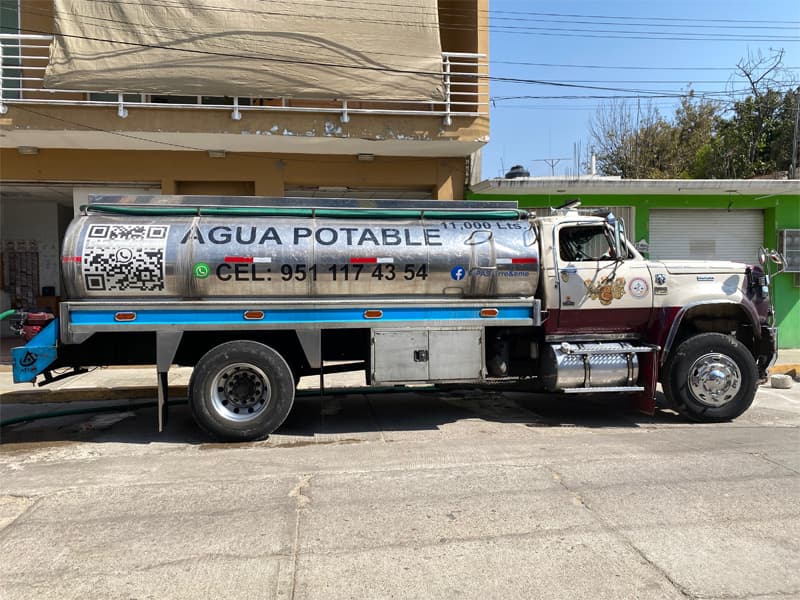
Hotels, restaurants, and short-term rentals almost always have water. That’s because they rely on private delivery trucks called pipas — large tankers that bring water directly to properties that can afford them.
What this means in practice is that tourism infrastructure is largely shielded from the shortage, while local neighborhoods bear the full weight of it. Water is being quietly diverted to businesses and wealthier areas, while families in outlying colonias wait weeks for a delivery.
That invisibility is part of what makes the problem so easy to ignore.
How Bad Is It, Really?
The numbers are stark.
Oaxaca City needs roughly 1,200 liters of water per second to meet daily demand. The system can supply around 400 liters per second at best — a gap of about two thirds. In 2024, the state’s water wells recorded their lowest levels ever measured.
On top of that, aging infrastructure leaks an estimated 40% of water before it even reaches homes. The pipes lose nearly as much as they deliver.
The human impact has been significant. The General Hospital in the city center has had to suspend services due to running out of water. At least six public schools have sent students home and switched to online classes. Protests and road blockades — organized by residents demanding basic access — have become a regular feature of dry season life.
And yet most visitors never see any of this.
👉 How to Visit Oaxaca Respectfully: A Practical Guide for Responsible Travelers
What’s Causing The Shortage?
There’s no single cause. It’s a combination of pressures that have been building for years:
Climate and rainfall — Oaxaca depends on seasonal rains to replenish underground aquifers. When the rainy season underperforms — as it increasingly has — the city enters the dry months already running short.
Population growth and urbanization — The city has expanded rapidly, putting pressure on infrastructure that was never designed for this many people.
Tourism growth — The boom in hotels, Airbnbs, restaurants, and spas has significantly increased water consumption. These businesses are typically prioritized for pipa deliveries, which means locals go without.
Crumbling infrastructure — Much of Oaxaca’s pipe network is old and leaking. Around 40% of water is lost before it reaches anyone.
Deforestation — Loss of tree cover in the valleys around Oaxaca reduces the land’s ability to absorb rainfall and recharge underground water supplies.
Mismanagement — Local residents and community leaders have long pointed to poor governance and unfinished government projects as a major part of the problem. Many proposed solutions have been started and abandoned.
All of these overlap and amplify each other.
How the Water System Works
Most homes in Oaxaca that do receive municipal water rely on a two-step storage system — and understanding it helps explain why shortages hit so hard.
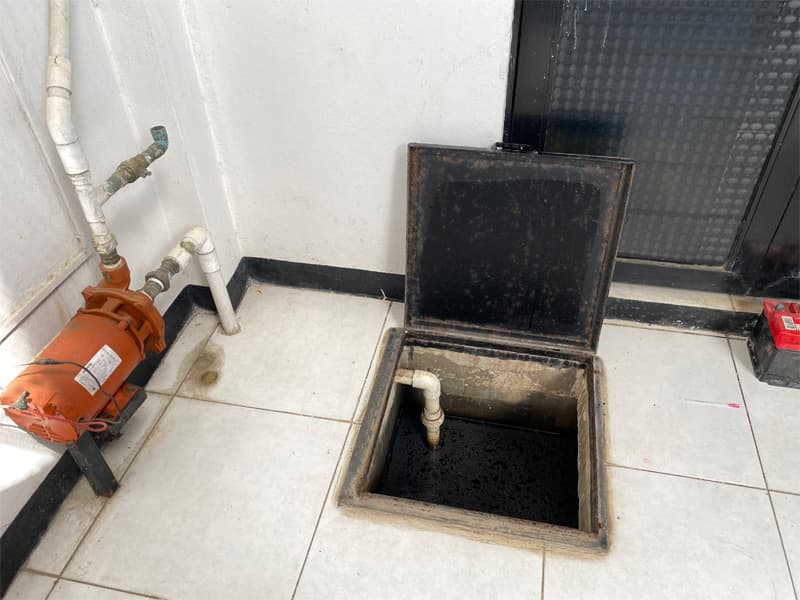
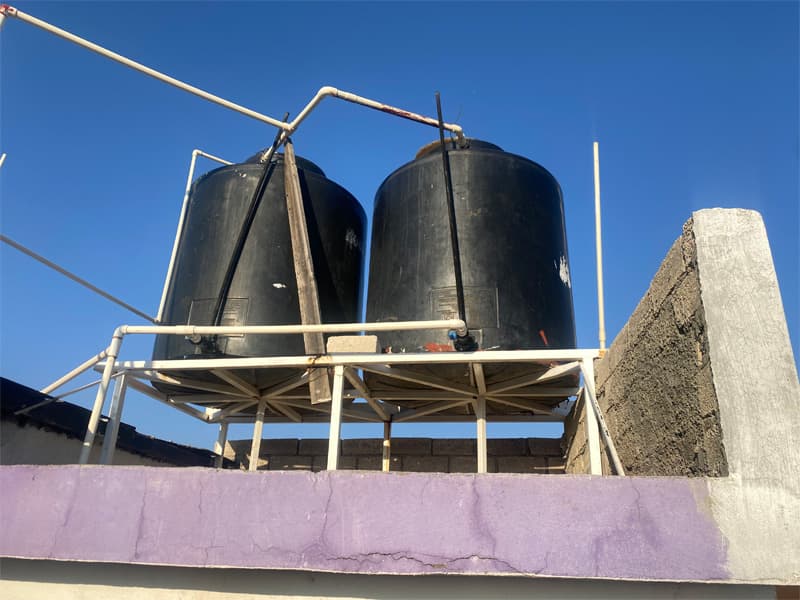
Water arrives (when available) through the mains into an underground cistern called a cisterna — a large tank buried beneath the property. From there, a pump pushes the water up to rooftop tanks called tinacos, which then feed the taps and showers by gravity.
When the cisterna runs dry, the house has no water at all until it’s refilled — either by the city, or by ordering a pipa. Private pipa trucks can cost significantly more than municipal supply, and during peak shortage periods, wait times stretch for days.
For households that can’t afford frequent pipa deliveries, that means strict rationing of every drop.
👉 When to Visit Oaxaca: Seasons, Festivals, and the Best Time to Go
Can You Drink the Tap Water?
No — tap water in Oaxaca is not safe to drink.
This applies to visitors and locals alike. Most people rely on one of three options:
- Bottled water — widely available but generates significant plastic waste
- Garrafones — large refillable 20-litre jugs, the most common and affordable option for local households
- Filtered water systems — increasingly common in homes and some accommodation
If your accommodation has a filter system or provides garrafones, use those rather than buying single-use plastic bottles.
👉 You Can’t Drink the Tap Water in Oaxaca — Here’s What to Do Instead
The Pipa System — and Its Problems
When municipal water doesn’t arrive, people call a pipa.
These water trucks have become a lifeline for large parts of the city — but the system has serious problems. Pipas are expensive, unregulated, and in high demand during the dry season. There have been documented cases of trucks pumping water illegally from wells and contaminated sources, and scams targeting desperate residents are not uncommon.
Hotels and wealthier businesses secure pipa contracts easily. Lower-income neighborhoods — where residents are already struggling to pay water bills for a service that isn’t arriving — often end up waiting the longest and paying the most.
Are There Any Solutions Coming?
There’s no quick fix on the horizon.
The state government has proposed a large dam project called Paso Ancho, but it has been controversial, abandoned, and revived multiple times over the past decade. Environmental experts and community organizations have called it a dead-end solution that doesn’t address the root problems.
Infrastructure updates — replacing aging pipes, repairing wells, expanding storage — are underway in parts of the city, but progress is slow. Meaningful improvement is likely years away.
Some grassroots communities have taken matters into their own hands, building low-cost rainwater collection systems and grey water recycling setups. These help at a local level, but they’re not a city-wide solution.
👉 5 Days in Oaxaca City: A Practical Itinerary for First-Time Visitors
What You Can Do as a Visitor
You don’t need to feel guilty for being here — but small changes matter more than they might seem when multiplied across thousands of visitors every month.
Take shorter showers. A two-minute reduction still saves significant water.
Turn off taps when you’re not using them. Brushing teeth, washing up — these small habits add up.
Skip unnecessary laundry. If you don’t need something washed, don’t ask for it.
Report leaks immediately. A dripping tap or running toilet in your accommodation is worth flagging to staff straight away.
Choose your accommodation thoughtfully. Some hotels and guesthouses are more conscious about water use than others. It’s worth asking.
Buy garrafones instead of bottled water. Better for water waste, better for plastic waste.
None of these are major sacrifices. But collective awareness — thousands of visitors being just a little more mindful — does reduce pressure on a system that’s already at its limit.
The Bigger Picture
The water crisis in Oaxaca isn’t a future problem. It’s happening now, in real time, in neighborhoods ten minutes from the zócalo.
The people most affected are those with the least — families in outlying colonias who wait weeks for deliveries, residents who pay bills for water that never arrives, communities that have had to organize protests just to get basic access.
Tourism isn’t the only cause of this. But it’s a contributing factor, and as visitors, we sit on the side of the divide that’s better protected. That comes with some responsibility.
Enjoy Oaxaca — it’s an extraordinary place. Just be aware of what’s happening behind the scenes, use water like it matters, and know that here, it really does.