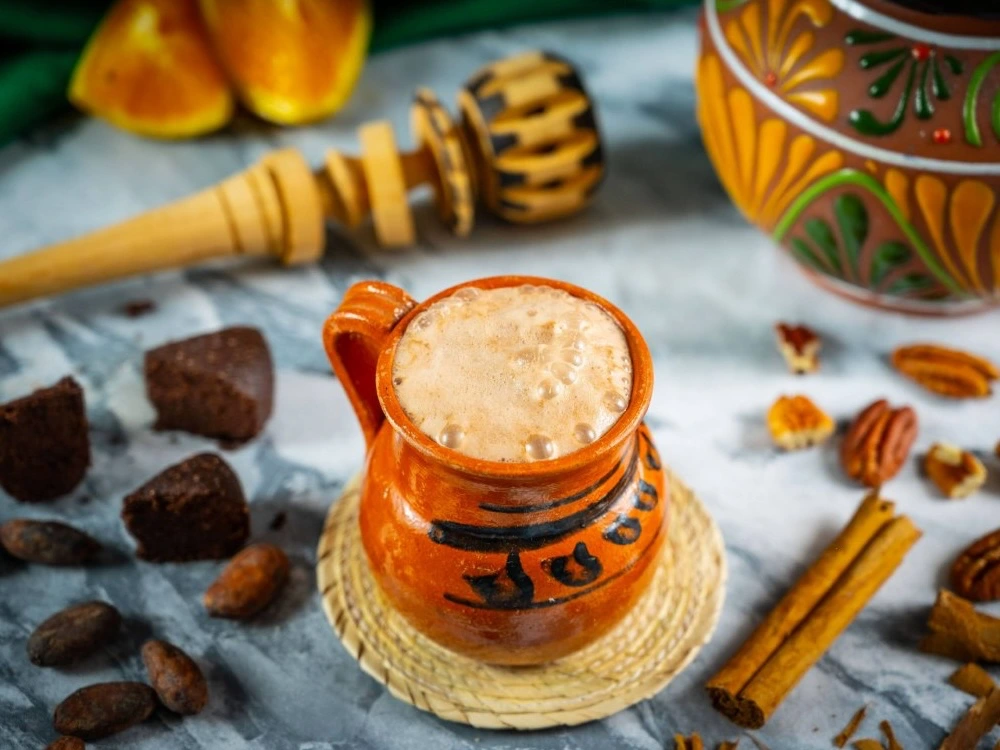
Oaxacan Chocolate: How to Drink It, What To Eat With It, and Why It’s Everywhere
If you like chocolate, Oaxaca is going to spoil you.
Chocolate here isn’t a once-in-a-while treat. It’s woven into everyday life — you’ll drink it, eat it, and find it hiding in one of the state’s most famous dishes, sometimes all in the same day. So let’s go through all of it: how to drink it, how to eat it, and why it matters so much here.
How To Drink Oaxacan Chocolate
The classic way to have Oaxacan chocolate is as a drink, and you’ll get asked a simple question when you order: agua or leche?
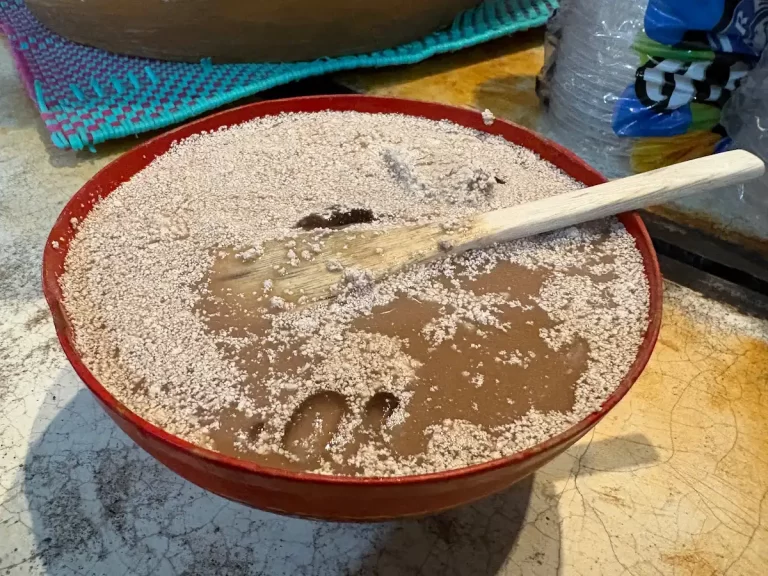
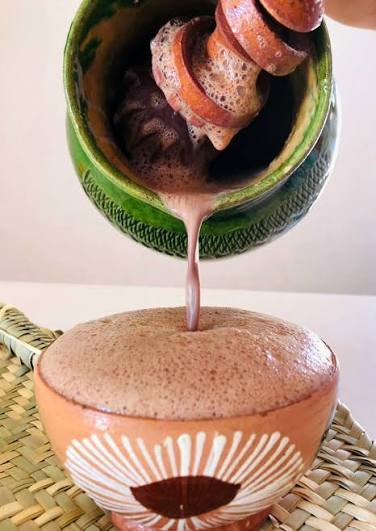
Chocolate de agua is chocolate made with water. Yes, water — I know that sounds strange if you’re used to thick, creamy hot chocolate, but it works. The chocolate is mixed into hot water with cinnamon and sugar, then beaten with a molinillo— a wooden whisk you roll rapidly between your hands — until a thick layer of foam builds up on top. That foam on top is one of the signatures of Oaxacan chocolate. It’s lighter than what you’re probably used to, and it lets the cacao and cinnamon really come through.
Chocolate de leche is the same idea but made with milk instead of water, so it’s richer and creamier — closer to the European-style hot chocolate a lot of people grow up with. I always order it with milk if it’s available.
There’s no wrong answer here. Order whichever sounds better to you, or ask for agua one day and leche the next and see which you prefer.
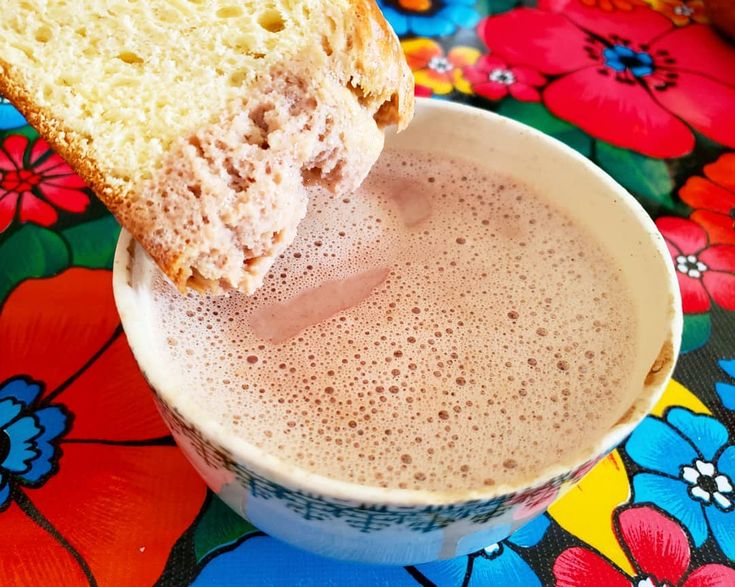
Whichever you choose, order it with pan de yema on the side. You’ll see this combination all over Oaxaca, particularly in markets and traditional breakfast spots. This soft, slightly sweet Oaxacan bread is the classic partner to a cup of hot chocolate, and once you dip a piece in, you’ll get why people have been doing this for generations.
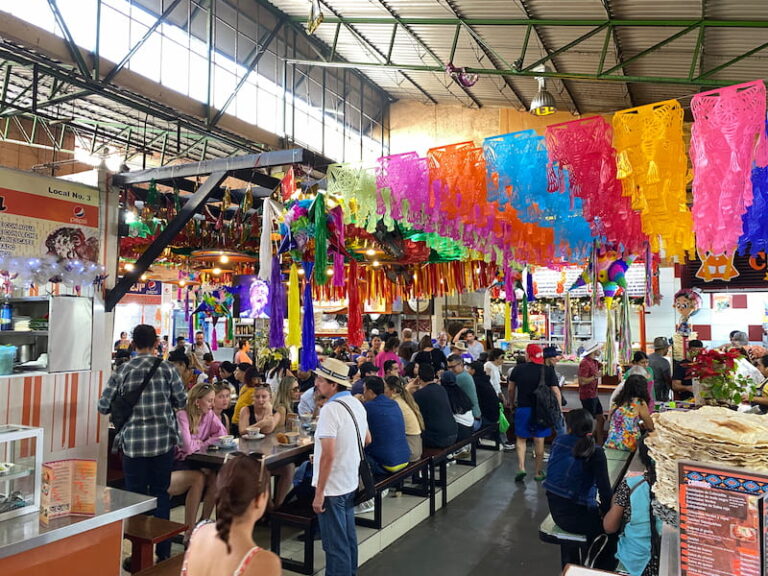
👉 Oaxaca City’s Top Markets: Eat, Shop, Vibe
Eating Oaxacan Chocolate
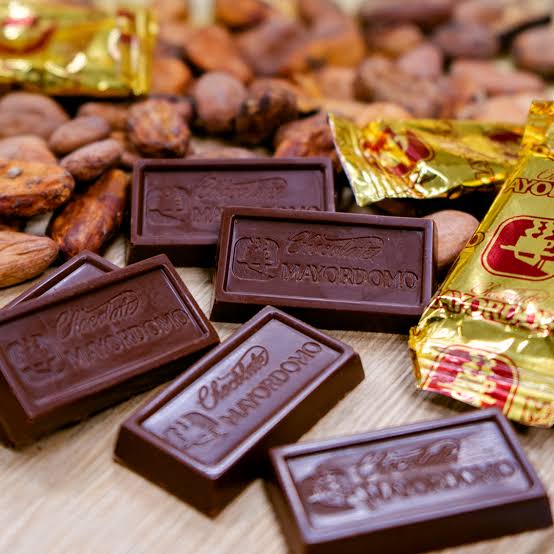
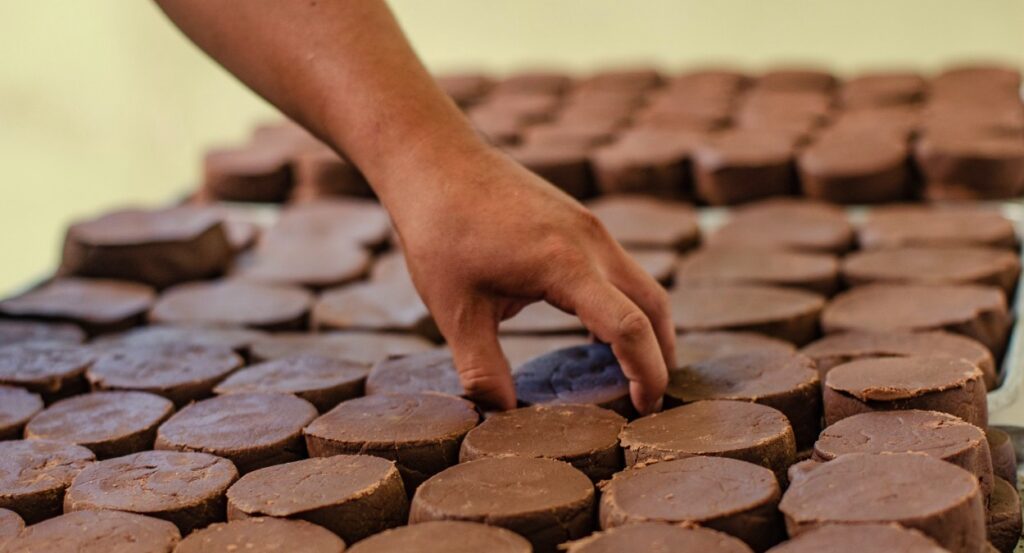
Chocolate in Oaxaca isn’t only something you drink. Walk through any market in Oaxaca City and you’ll find chocolate tablets, discs and balls stacked up for sale — some plain, some mixed with cinnamon, almonds or sugar, meant to be broken off and eaten as they are or melted down at home.
You’ll also come across chocolate worked into other treats: dipped into fruit, mixed into local sweets, or sold in small shops purely to snack on. It’s generally less like a modern chocolate bar and more rustic in texture, often with a slightly grainy feel from the traditional grinding process.
Where to Buy Traditional Oaxacan Chocolate
If you want to see the whole process, head to Mayordomo. It’s one of the best-known places in Oaxaca to watch chocolate being made, with roasted cacao beans ground together with cinnamon and sugar right in front of you.
That mixture is turned into the paste used to make both the chocolate tablets you take home and the drink you order.
Some traditional molinos will also let you choose the ingredients and sweetness level, so it’s worth asking questions and tasting around before deciding what to bring home.
Chocolate in Mole Negro
Chocolate also shows up somewhere you might not expect: mole negro, one of Oaxaca’s most famous dishes.
Don’t go in expecting it to taste like chocolate sauce, though. It’s not sweet, and it’s not the star. The chocolate works quietly in the background, adding depth and rounding out an incredibly complex mix of chiles, spices, nuts and seeds. It’s proof that chocolate here isn’t just a treat — it’s a genuine cooking ingredient, the same way you’d use a spice.
👉 Oaxaca City Cooking Classes: The Best Hands-On Experiences
Chocolate Roots
Chocolate has deep roots in Oaxaca and the wider Mesoamerican region, where cacao was used long before chocolate became the sweet treat most of the world knows today. Traditionally, cacao beans were roasted and ground with ingredients such as cinnamon and sugar, then made into a paste for drinks and cooking.
The basic idea is still alive today — the biggest difference is that modern molinos do the grinding instead of doing it by hand on a metate.
So, How Should You Experience It?
Honestly — all of it, if you can. A cup of chocolate de agua with foam on top and pan de yema on the side. A chocolate tablet from the market to snack on or take home. A plate of mole negro to taste chocolate doing something completely different.
And if someone hands you a warm cup of chocolate de agua with a piece of pan de yema on the side, just say yes.